Gregor Strasser Quotes
The rise of National Socialism is the protest of a people against a State that denies the right to work.
Strasser, Gregor. "Speech in the Reichstag, 10 May 1932." Verhandlungen des Reichstags, vol. 453, Reichsdruckerei, 1932, p. 2571.

The Russian troops had surrounded Berlin and were closing on the bunker. Hitler announced that he intended to commit suicide. 8 days later he did.


In 1918 the Treaty of Versailles—peace treaty ending WWI—was signed. Many Germans felt that their defeat in WWI forced them to sign the treaty which weakened Germany and assured that they would be a 2nd rate power thereafter. After that Germans blamed every negative aspect of their government, economy and society on the treaty that was “forced” on them. Nazism was a consequence of these feelings, and the Nazis adopted policies and practices to get around their anti-military obligations and have a strong government so that the allies could not enforce the treaty obligations on Germany.


Within a few years the National Socialists of Germany had invaded most of the countries of Europe. The protestations of non aggressive intent have historically meant nothing whether it was the promises of Napoleon, Hitler or that of Hamas.

Dulles had little regard for the immorality of using Nazis as agents including major war criminals—even when it was against U. S. law and policy. The CIA continued to be insensitive and over the years employed some of the worst right wing murders and war criminals, The “precedent” was set after WWII by Dulles. See also {633240}.


Both of these famous Americans were admirers of Nazi Germany and Adolf Hitler. They both accepted medals from the German dictator. And both of them were apologists for German aggression and urged the United States not to side with England and to stay neutral in the War. The next year Germany declared war on the United States.


In the history of America


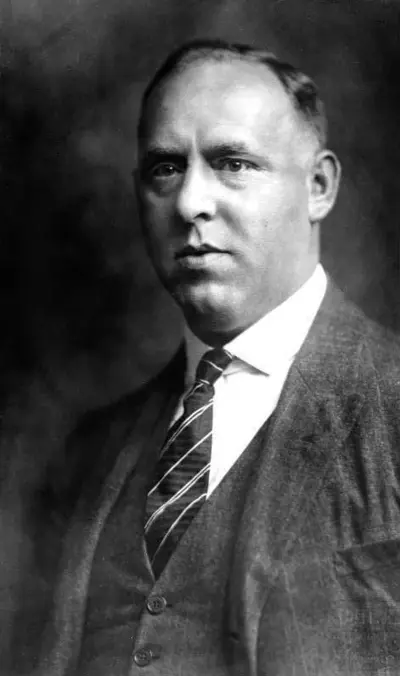
Gregor Strasser was an early prominent German Nazi official and politician who was murdered during the Night of the Long Knives in 1934. Born in 1892 in Bavaria, Strasser served in World War I in an artillery regiment, rising to the rank of first lieutenant. He joined the Nazi Party (NSDAP) in 1920 and quickly became an influential and important figure. In 1923, he took part in the abortive Beer Hall Putsch in Munich and was imprisoned, but released early for political reasons. Strasser joined a revived NSDAP in 1925 and once again established himself as a powerful and dominant member, hugely increasing the party's membership and reputation in northern Germany. Personal and political conflicts with Adolf Hitler led to his death in 1934 during the Night of the Long Knives.
