Oliver Wendell Holmes Jr. Quotes
The most stringent protection of free speech would not protect a man in falsely shouting fire in a theatre and causing a panic.
This famous statement is quoted in almost every debate about the limits of freedom of speech.
Oliver Wendell Holmes Jr., 1841-1935, U. S. Supreme Court Justice, Schenck v. United States, March 3, 1919
Sourced by: Eigen's Political and Historical Quotations


Note how the second paragraph nullifies the first of the government declares an emergency. This is a trick that is very common in constitutions.
In WWI Congress had passed a law that prohibited anyone from undermining or interfering with the war effort. The defendants had passed out anti-war literature to young men heading for military service. The court then overlooked the First Amendment and came up with a strange logic where the “clear and present danger” was the test of whether the First Amendment would apply. The anti war pamphleteers went to jail. Today, we look back on this and find it very surprising but this is yet another example of erosion of freedom and civil liberties when the nation is at war. By the 1950s, the Supreme Court had reversed itself and the First Amendment was restored to its original intent.
A bomb threat was received and cell phones might be used to detonate a bomb by remote control. However, no one in the vicinity of the BART system could use their cell phones for ANY purpose. The cell phone had begun to be a major tool of protesters organizing demonstration, and many people were concerned that the police might decide that an impending demonstration was a danger to public safety and prevent demonstrators from organizing or coordinating using mobile phones. Civil libertarians argued that the police should have to get a court order and show probably cause in order to shut down a public communications system.

Samuel Langhorne Clemens, 1835-1910. Even when we have political freedom of speech, there are often social consequences to exercising that freedom. See {630273} .


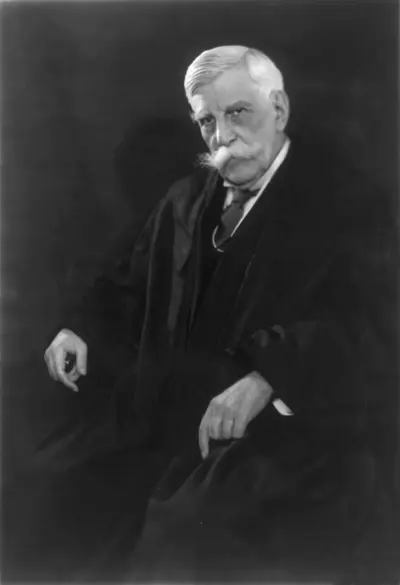
Oliver Wendell Holmes Jr. was an American jurist who served as an Associate Justice of the Supreme Court of the United States from 1902 to 1932. Noted for his long service, concise and pithy opinions, and deference to the decisions of elected legislatures, he is one of the most widely cited United States Supreme Court justices in history, particularly for opinions on civil liberties and American constitutional democracy, and is one of the most influential American common law judges, honored during his lifetime in Great Britain as well as the United States. Holmes retired from the court at the age of 90, an unbeaten record for oldest justice in the federal Supreme Court (although John Paul Stevens was only 8 months younger when he retired on April 12, 2010). He previously served as an Associate Justice and as Chief Justice of the Massachusetts Supreme Judicial Court, and was Weld Professor of Law at his alma mater, Harvard Law School.
