William Godwin Quotes
The love of independence and dislike of unjust treatment is the source of a thousand virtues.
Godwin, William. The Enquirer: Reflections on Education, Manners, and Literature. G.G. and J. Robinson, 1797.


Franklin Delano Roosevelt used the phrase in his Third Inaugural Address {32529}. But the earliest expression that we have found is the Mexican leader Emiliano Zapata {46999} Franklin Delano Roosevelt later used the phrase in his Third Inaugural Address {32529}. But the earliest expression that we have found is the Mexican leader Emiliano Zapata {46999}. This was one of the great quotations to come out of the Spanish Revolution. It inspired freedom loving people the world over, then and through this day.


Chaucer has Criseyde say this. It is the statement that would gladden the heart of any feminist. This was one of Mary McCarthy’s favorite quotations.


The great fallacy of course is who decides what is right. What is noteworthy is that this political and philosophical view of liberty still exists in much of the world today. There is no need for rights or constitutions to protect people if they do things that are “right”. It is only when we do something that the authorities or the majority think is “wrong” that we need the protection of rights and constitutions.


Executed by the English for his part in the Easter Uprising.

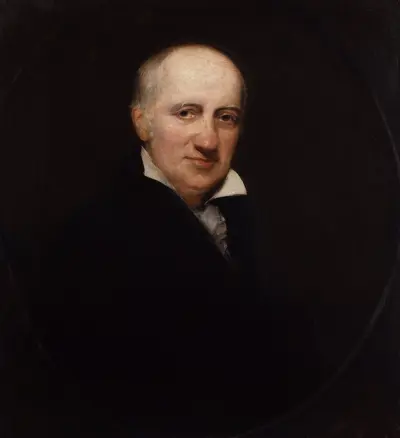
William Godwin was an English journalist, political philosopher and novelist. He is considered one of the first exponents of utilitarianism and the first modern proponent of anarchism. Godwin is most famous for two books that he published within the space of a year: An Enquiry Concerning Political Justice, an attack on political institutions, and Things as They Are; or, The Adventures of Caleb Williams, an early mystery novel which attacks aristocratic privilege. Based on the success of both, Godwin featured prominently in the radical circles of London in the 1790s. He wrote prolifically in the genres of novels, history and demography throughout his life.
