Quentin Crisp Quotes
The law is simply expediency wearing a long white dress.
Quentin Crisp, 1908-1999, British Author and Broadcaster, Manners from Heaven, 1984
Sourced by: Eigen's Political and Historical Quotations


The Senator was referring to the immigration laws which many, including him, thought were unjust, unfair, racist and discriminatory.


She was referring to laws that supported slavery.


The Senator was arguing against a bill to correct an aspect of the immigration law where infants and very young clildren are broght to the United States by parents who entered illegally. The children grow up in the United States—the only country and home that they have ever known. American law required that they be deported to “their countries” which they have no memory of and many do not even speak the language or know the culture. Sessions, is an example of the view that law defines justice. Therefore laws cannot be unjust nor can enforcing the law. Opponents point out that even in the United States we have, in earlier times, “enforced the law” which we came to regret and see as an injustice. The Fugitive slave laws, the Southern racial discrimination laws, and the law allowing Japanese American Citizens to be interned and lose their land during WWII are a few examples of laws, the enforcement of which is seen by most Americans as having been unjust. The execution of “witches” in early America was in conformity with the law.


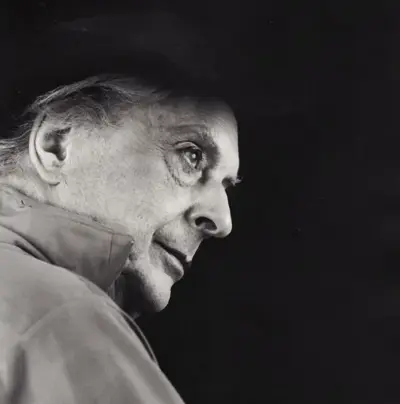
Quentin Crisp (born Denis Charles Pratt; 21 November 1999) was an English writer, raconteur and actor. From a conventional suburban background, Crisp wore make-up and painted his nails. During his teen years he worked briefly as a rent boy. He then spent thirty years as a professional model for life-classes in art colleges. The interviews he gave about his unusual life attracted increasing public curiosity and he was soon sought after for his very personal views on social manners and the cultivating of style. His one-man stage show was a long-running hit both in Britain and America and he also appeared in films and on T.V. Crisp defied convention by criticising both gay liberation and Diana, Princess of Wales.
