Olaf Tveitmoe Quotes
The Japanese have the cunning of the fox and the ferocity of the bloodthirsty hyena
This is an excellent example of the kind of rhetoric that was used against the Japanese immigrants to America in the 1930s. There was a rumor that the Japanese laborer, in addition to working for less wages what white labor were getting, was a spy for the Japanese Emperor, It was this kind of prejudice and conspiracy theory that led the government to intern Japanese—even citizens on the West Coast—an act that was ignominiously upheld but he Supreme Court and latter apologized for by several American presidents. It turned out that there was not a single Japanese immigrant who engaged in any kind of spying or sabotage in WWII and many fought in the Armed forces and were amongst the most decorated soldiers. One irony of the West Cast internment is that Japanese immigrants and American citizens living on the East cost were no so interned. The fear of invasion was not as great and the history of anti Japanese prejudice as in this quotation was not as prevalent. There are some historians who argue that one of the major motivations of to intern the Japanese was for some wealthy whites to be able to get their land—especially farmland—which since they could not work, they could not pay the taxes and a huge amount of prime land changed hands as a result of the internment.
Olaf Tveitmoe Quoted in Michael Kazin, Trump and American Populism Foreign Affairs. November/December 2016 Volume 95, Number 6
Sourced by: Eigen's Political and Historical Quotations

This racist officer was the impetus for one of the terrible wrongs in American history but most of the national establishment and FDR himself signed off on it to his everlasting disgrace. See {587961} and {635792}.
Initially when the World War II idea of evacuating Japanese Americans from the West Coast was proposed, General De Witt and replied, “Damned nonsense!”


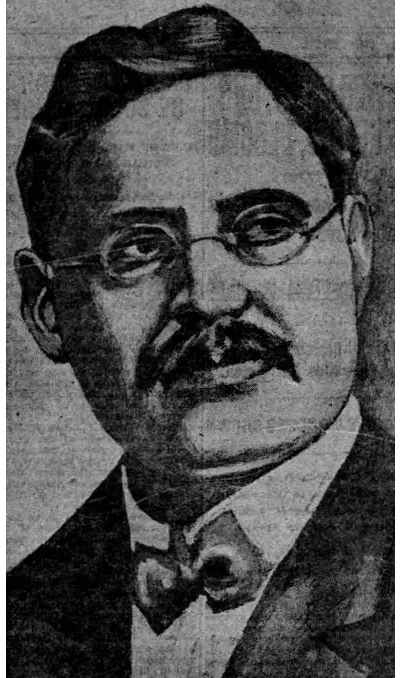
Olaf Anders Tveitmoe was a Norwegian-born American teacher, newspaper editor, and labor leader. Tveitmoe was a leading trade union functionary for the construction industry in the state of California for the first two decades of the 20th Century. He was the founding editor of the weekly newspaper Organized Labor, which he edited for 20 years. He is best remembered for tangential trade union activity as the founder and president from 1904 to 1912 of the Asiatic Exclusion League, a political organization which sought to bolster American domestic wage levels by restricting immigration from Japan, China, and Korea.
