William Jennings Bryan Quotes
The Imperial German Government will not expect the Government of the United States to omit any word or any act necessary to the performance of its sacred duty of maintaining the rights of the United States and its citizens and of safeguarding their free exercise and enjoyment.
Bryan, William Jennings. "First Lusitania Note." 13 May 1915, U.S. Department of State.


England in this quotation claims the right to interfere in the internal affairs of another nation if there is mismanagement or crises AND her national interests are affected.


Germany had demanded that Belgium allow German troops to cross Belgium to the French frontier. However, King Albert was concerned that this would be a de facto German occupation of Belgium and asked for help. The British tried diplomacy but things were out of anyone’s control and the First World War ensued.


England is entering the war against Germany The German war plan called for attacking France through Belgium. However, Belgium was intent on remaining neutral. International law prohibited a neutral country from allowing troops of either side to enter and maneuver in its territory. ({642178}). When Germany moved into Belgium, the Belgians resisted. England had a treaty with Belgium that it would protect Belgian neutrality in the event of any war in Europe. England then sided with Belgium {642175} and committed to send troops to help Belgium oust the Germans. The Kaiser was furious and could not understand that the English would go to war when there was no economic need or advantage for them to do so. Wilhelm II did not have much respect for treaties, promises, or honor other than military honor. He had earlier convinced himself that the English would not fight for a scrap of paper, especially in a land war. {642105}
The “proofs” were diplomatic assurances—treaties—that England would guarantee the territorial integrity of Belgium. The British made strong diplomatic efforts to persuade Germany not to occupy Belgium. The German’s none the less send armies in under the excuse that if they did not, the French would occupy the country and have a strategic advantage over them. Diplomacy could do no more good. England had to send troops or renege on its obligations. So England was in WWI.
There is no court structure that handles International law disputes. There are some international bodies that hear some types of international law disputes, but no general mechanism. The procedures of these few bodies are very complex and arcane. But worse, there is no body with any power that can enforce any decision that may be reached. Enforcement depends on the good will of the nations involved or the pressure that can be brought to bear by other counties.

The plan was to have an American agent with a few marines make an alliance with a rival to the throne of Algiers and depose the existing ruler with American “special forces”.


L. P. Jacks
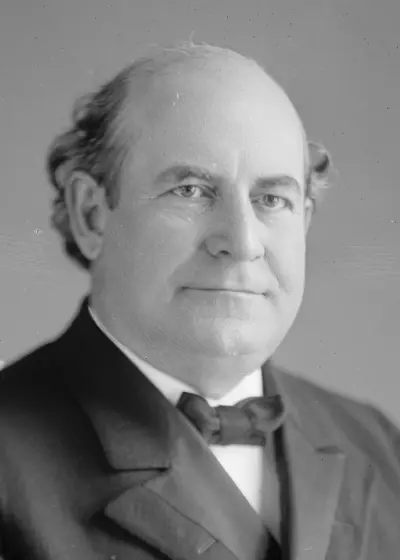
William Jennings Bryan was an American orator and politician from Illinois and Nebraska. Beginning in 1896, he emerged as a dominant force in the Democratic Party, running three times as the party's nominee for President of the United States in the 1896, 1900, and 1908 elections. He also served in the United States House of Representatives and as the United States Secretary of State under Woodrow Wilson. Because of his faith in the wisdom of the common people, he was often called "The Great Commoner".
