Branch Rickey Quotes
The greatest untapped reservoir of raw material in the history of our game is the black race.
Rampersad, Arnold. Jackie Robinson: A Biography. Alfred A. Knopf, 1997, p. 117.


The recent FBI directors have had a difficult legacy to cope with. In the 1930s throughs the 1960s, the FBI (under J. Edgar Hoover), worked very closely with Southern, Racist, Law enforcement agencies who were constantly covering up and often participating in assaults and lynching of Blacks. Hoover, despite the fact that he was a closet gay, projected a very masculine FBI image and would not have female agents. Even in the Civil Rights movement local FBI offices were working closely with Southern law enforcement to suppress the Civil Rights demonstrations. Nationally, the FBI was not only illegally surveilling Martin Luther King, but Hoover who despised King actually had agents try and blackmail him and pressure him into committing suicide. So the legacy was not good for hiring women of Blacks and Jews, Hispanics, Asians and other minorities as well. Even when Comey made this statement, he was dealing with a group of highly conservative and racist FBI agents who were illegally leaking information that would help to swing the Presidential election to Donald Trump, who was opposed by most women and almost all blacks. So Comey had to persuade new recruits to enter the Bureau despite the legacy and existing component that would not be very comfortable for them. At the same time, the educational qualifications for the FBI were very high (unlike most local and stat law enforcement agencies). Most people who could meet them, could easily qualify for other jobs that paid more than the FBI so it took a good bit of desire and commitment to get anyone to join.


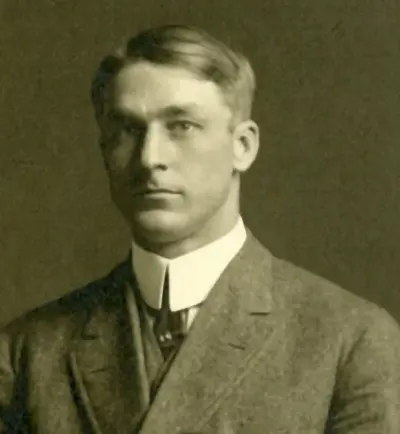
Wesley Branch Rickey was an American baseball player and sports executive. Rickey was instrumental in breaking Major League Baseball's color barrier by signing black player Jackie Robinson. He also created the framework for the modern minor league farm system, encouraged the Major Leagues to add new teams through his involvement in the proposed Continental League, and introduced the batting helmet. He was posthumously elected to the Baseball Hall of Fame in 1967.
