Edwin Meese Quotes
The federal Religious Freedom Restoration Act passed unanimously in the House, won 97 votes in the Senate, and was signed into law by President Bill Clinton. Twenty states have passed their own versions of this law, and 11 additional ones have religious-liberty protections that state courts have interpreted to provide a similar level of protection.
Meese, Edwin, and Ryan T. Anderson. "Why Liberals Committed to Tolerance Should Embrace Religious Liberty Laws." The Daily Signal, Heritage Foundation, 2 Apr. 2015.


Adventists, like Jews and other groups believe that Sunday was the first Biblical day, and Saturday, the 7th and the Sabbath. Senator Blair had introduced a bill to make Sunday, the National Sabbath and require that all respect it. It was fought by the Adventists and others.


The then current example was with same sex marriage. Some people who claimed that their religion declared same sex marriage as a sin and prohibited their aiding and abetting that activity. As a result, they claimed that their right of religious freedom allowed a county clerk to refuse to issue the marriage license or a hotel to refuse to allow a gay couple to rent their facility for a wedding, or a retail store to refuse to sell the couple bedding.


Kelly Armstrong was a gay man who had committed no crime yet the Assistant Attorney General was following him about, going to his home and accusing him of promoting a “deviant” life style. Shirvell was fired from his job for violation of rules of behavior for law enforcement officers. Armstrong sued Shirvell for violating Michigan’s anti-stalking law. He agreed to drop the suit if Shirvell would apologize and stop stalking him. Shirvell refused. Then a Michigan jury awarded Armstrong $4.5 million in 2012.


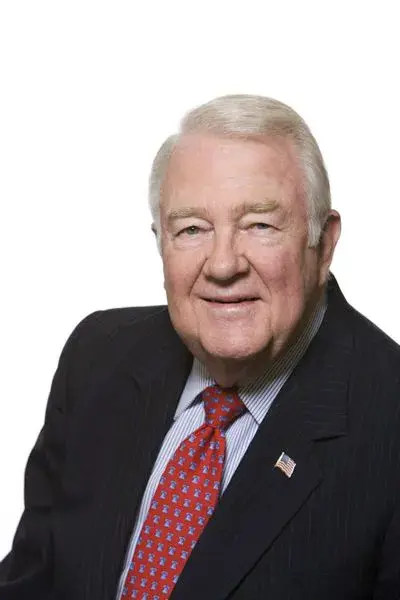
Edwin Meese III is an American attorney, law professor, author and member of the Republican Party who served in official capacities within the Ronald Reagan Gubernatorial Administration (1967–1974), the Reagan presidential transition team (1980–81) and the Reagan White House (1981–1985), eventually rising to hold the position of the 75th United States Attorney General (1985–1988), a position from which he resigned following the Wedtech scandal.
