Albert Claude Quotes
The cell, over the billions of years of her life, has covered the earth many times with her substance, found ways to control herself and her environment, and insure her survival.
Claude, Albert. "The Coming of Age of the Cell." Science, vol. 189, no. 4201, 1975, p. 435.


This is a very important quotation in the history of science. Note that he has the concept of evolution and mutation before Darwin published his his Origin of Species. Darwin had probably come to these conclusions at the time that Lawrence gave this lecture. And of course Darwin had a much broader concept and much data to back it up. But this was one of the great insights in science.

Fisk realized the effect on man of his environment and social conditions, but made the mistake of believing that the normal evolutionary effects as a result of natural selection had stopped. As these changes are slow over many generations, they are hard to personally observe within a human lifetime. Also our effect on our environment changes the environment and that in turn often alters the rules under which natural selection operates. Evolution only stops when a species is extinct.

Actually, The Theory of Evolution shows no such thing. Diversity is critical for Natural Selection to function. It is the inbred Royalty of Europe that showed a propensity to various defects and abnormalities. There are millions of examples where the offspring of a couple are superior to both parents with respect to a characteristic. Some also who are inferior to both parents. Then there are some “in-between”. Traits in evolution and generics are not subject to a simple averaging.

This quotation illustrates the bizarre logic used by some war enthusiasts once Darwin’s evolutionary principles received wide distribution. Kellogg explains their notion. The absurdity is that there is nothing that characterizes the soldiers who lived differentially from the soldiers who died. The survivors of a bomb if any are random or determined by position and not intellect, courage, strength or any other trait that might be used selectively. See Kellogg’s explanation {631167}.

Darwin’s work had polarized England into two camps. Spencer was one of the major public supporters of Darwin. Tennyson expressed a similar intuitive view a decade earlier {627586}. Spencer reasoned that if an egg cell and a sperm cell could produce a human in 9 months, why was it not plausible that the cell could become a human in hunreds of millions of years.

Darwin did not develop an interest in the origin of life in a vacuum. His grandfather and many other scientists and naturalists had realized that species evolved and improved over tome and generations. What Charles Darwin added was the principles of the mechanism of how it all worked.

While Darwin’s Theory of Evolution was rejected as heresy by many Christians, there were others who warmly embraced it, and frequently lectured on the subject. Drummond was one of the Christian theologians who saw evolution as the real Genesis. See {611095}.


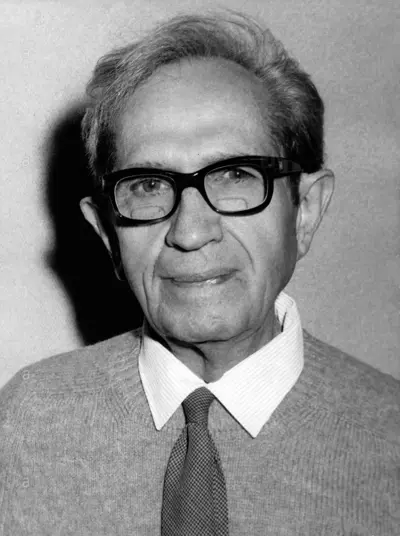
Albert Claude was a Belgian-American cell biologist and medical doctor who shared the Nobel Prize in Physiology or Medicine in 1974 with Christian de Duve and George Emil Palade. His elementary education started in a comprehensive primary school at Longlier, his birthplace. He served in the British Intelligence Service during the First World War, and got imprisoned in concentration camps twice. In recognition of his service, he was granted enrolment at the University of Liège in Belgium to study medicine without any formal education required for the course. He earned his Doctor of Medicine degree in 1928. Devoted to medical research, he initially joined German institutes in Berlin. In 1929 he found an opportunity to join the Rockefeller Institute in New York. At Rockefeller University he made his most groundbreaking achievements in cell biology. In 1930 he developed the technique of cell fractionation, by which he discovered the agent of the Rous sarcoma, components of cell organelles such as mitochondrion, chloroplast, endoplasmic reticulum, Golgi apparatus, ribosome and lysosome. He was the first to employ the electron microscope in the field of biology. In 1945 he published the first detailed structure of cell. His collective works established the complex functional and structural properties of cells.
