R. C. Sproul Quotes
The Bible's truth does not depend in any way on whether or not a person believes the truth.
Sproul, R. C. Knowing Scripture. InterVarsity Press, 1977.


He was officially hanged for his offence of making this statement on January 8, 1697. His execution, which raised considerable concern, was the last execution for blasphemy in Britain.


This view was infuriating to the Rabbis, Priests and Immams of the time. Miracles and Scrip[ture were not determinatve Spinoza taught but the issue was did the docrine of the religion make sense. Spinoza’s ideas were considered so radical and dangerous that he was the only man in history who was excommunicated by the Catholics, the Jews and the Muslims.


Although a conservative, he had a great tolerance for and understanding of other points of view. For this some people thought him a radical.

Priests at the time were mostly uneducated. They would tend to make up their own Biblical stories that the people would prefer rather than the official church versions. The bishops wanted this practice stopped.


Franklin was a deist. He believed in God and the Creation but not the Bible which is often referred to as “revealed” truth. He did believe that classic Christianity was a positive force as some people were led to good works and a moral life by it.

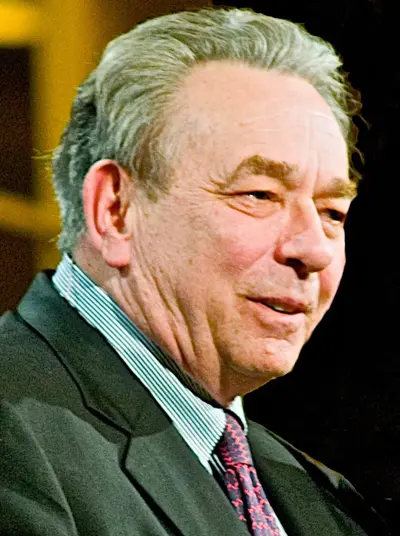
Robert Charles Sproul was an American Reformed theologian and ordained pastor in the Presbyterian Church in America. He was the founder and chairman of Ligonier Ministries (named for the Ligonier Valley just outside Pittsburgh, where the ministry started as a study center for college and seminary students) and could be heard daily on the Renewing Your Mind radio broadcast in the United States and internationally. Under Sproul's direction, Ligonier Ministries produced the Ligonier Statement on Biblical Inerrancy, which would eventually grow into the 1978 Chicago Statement on Biblical Inerrancy, of which Sproul, alongside Norman Geisler, was one of the chief architects. Sproul has been described as "the greatest and most influential proponent of the recovery of Reformed theology in the last century."
