Richard N. Haass Quotes
The abolition of the presidential term limit and President Xi Jinping's concentration of power have come as an unwelcome surprise to many.
Haass, Richard N. "China's Return to One-Man Rule." Project Syndicate, 22 Mar. 2018.


In an irony, the first President limited by a term limit amendment pushed by Republicans remembering FDR turned out to be fellow Republican Dwight D. Eisenhower.


Samuel Langhorne Clemens, 1835-1910


“Personal government” meant to him charismatic individuals and demagogues who came to power in a republic and led it into a dictatorship. As opposed to representatives of political parties where a single individual could not control everything. However, this was before Adolf Hitler and his political party—the Nazis—came to power by election and turned Germany into a dictatorship. It takes more than structure to preserve democracy.


El Baradei resigned when he made this statement. After the Arab Spring revolution, Mohammed Morsi had been elected President by a bare 51 pecent of the vote. However, he was a member of the political wing of the Muslim Brotherhood, an international terrorist organization which advocates Islamic Sharia and Theocracy. He began sizing powers and his government passed a constitution that did not guarantee basic human rights and moved towards a theocracy. Then he eliminated the checks and balances and the public finally revolted bringing 20 million Egyptians into the street in protest. A civil war was eminent and the military stepped in and forced Morsi to resign.

This is the argument—an essence of Fascism—of every dictator from Julius Caesar onward. See {640792} for more of his views on dictators.

Kors is paraphrasing Hayek and his book Road to Serfdom.


Commenting on the fact that China was eliminating it's Constitutional requirement that government leadership had to change every 10 years.

While England was under attack by the Germans in World War II, Congress was debating Roosevelt's proposal for lend-lease. The president had set the passage of this legislation as his main priority, and a critical meeting between Churchill and Roosevelt was deferred until passage was obtained. Roosevelt dispatched Hopkins to London. Urging a prompt meeting, Hopkins cabled:

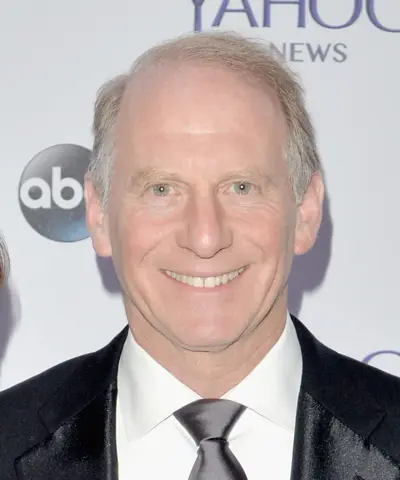
Richard Nathan Haass is an American diplomat. He has been president of the Council on Foreign Relations since July 2003, prior to which he was Director of Policy Planning for the United States Department of State and a close advisor to Secretary of State Colin Powell.
