Richard V. Allen Quotes
Temporary teams of trusted people are generally sent to all Departments and to major agencies of government to assist in planning and to acquaint the incoming administration with the civil servants and bureaucracy that will remain in place in the new Administration.
Allen, Richard V. "The Presidential Transition." U.S. Department of State, Bureau of International Information Programs, Nov. 2000.


Neither side wants an appointee who is strong enough to move against their ideology. So with each party having the Senate filibuster, since they cannot get a strong leader advocating for their ideology, they will settle for a professionally competent, weak leader in the middle of the road who not be able to overcome their power.

The mayor had asked his health commissioner what the city could do most to improve the health of its citizens, to which the health commissioner—like amost all public health experts—responded “Cut down the smoking.” Without checking with any other politicians or advisors, Bloomberg just began his now famous campaign for a smake free city. He was criticized, castigated, and sued by local bars and restaurants and national tobacco business. But New York became the first Smoke Free city and others all started emulating New York. This saved more lives than all the rest of the public health programs taken together.


Generally politicians have little good to say about civil servants in major public addresses. This is one of the few exceptions.
Although an Irishman, he was commenting about the British government of which Ireland was then a part.


Like the United States, Canada has always had tension in its political system over political appointees verses civil servants. The Canadian Conservative Party, after complaining about their oppositions abuse of political appointments, when they came into power cut the number of political appointees substantially. They then regretted they couldn't control the government.


The Liberals had not won enough seats to form a majority government, and in the Parliamentary system, they had to form an alliance with a smaller party and govern with a minority.

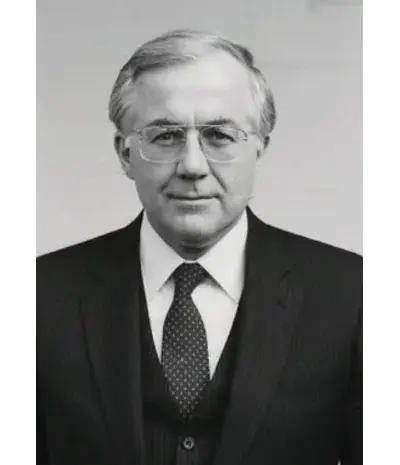
Richard Vincent Allen was the United States National Security Advisor to President Ronald Reagan from 1981 to 1982, having been Reagan's chief foreign policy advisor from 1977. He has been a fellow of the Hoover Institution since 1983. He is a past member of the Defense Policy Board Advisory Committee.
