Neil Postman Quotes
Television is our culture's principal mode of knowing about itself. Therefore -- and this is the critical point -- how television stages the world becomes the model for how the world is properly to be staged. It is not merely that on the television screen entertainment is the metaphor for all discourse. It is that off the screen the same metaphor prevails. (92)
Postman, Neil. Amusing Ourselves to Death: Public Discourse in the Age of Show Business. Viking Penguin, 1985, p. 92.


Ronald Reagan’s media expert, Michael Deaver, developed a new approach to Presidential appearances. He realized that if the President made a 5 or 10 minute speech at an event, the Evening News would choose one or two 10-15 second excerpts, and that was what the vast majority of the country would see. Therefore, he reasoned, the words spoken meant relatively little. It was the image what would last in people’s memory. Therefore, he worked hard to concentrate on getting the right background for the President’s appearance. The Statue of Liberty, a naval ship, a factory at work. The set of images that people would have of the President in these different appearances would define the President in the minds of most people. Deaver would be more concerned that the TV camera’s showed the background scene he had planned (rather than a strange angle or just a close-up of the President’s face) than he would be about which words—sound bytes—the TV station would select. Hence Baker’s observation that words were less important than the TV images.


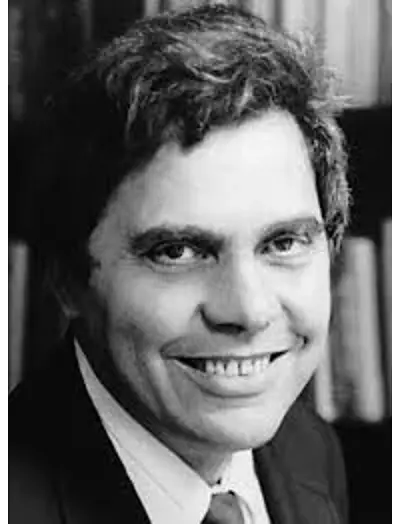
Neil Postman was an American author, educator, media theorist and cultural critic, who eschewed technology, including personal computers in school and cruise control in cars, and is best known for twenty books regarding technology and education, including Amusing Ourselves to Death (1985), Conscientious Objections (1988), Technopoly: The Surrender of Culture to Technology (1992), The Disappearance of Childhood (1994), and The End of Education: Redefining the Value of School (1995).
