Harold Evans Quotes
Television and radio are what I call sequential media; they're not simultaneous media. With simultaneous media, you can scan your eye down an electronic or print page and pick among six or seven stories you might like and want to read. With television and radio, you have to wait until the guy's finished talking about the balloon boy, which I don't have the slightest interest in, to find out that all hell's broken loose in Baghdad. Because they've chosen that day to start with the balloon boy.
Evans, Harold. Interview. The Huffington Post, 2009.


See Fred W. Friendly for an almost as harsh an incitement: {611294}

An economic bubble occurs when the investing public with little logic and facts to support it actions exhibits great enthusiasm and overvalues some kind of asset with the logic that the price is going up and someone later will pay more than I just did—sometimes called the “greater fool theory”. Historically Fama claims that there were no bubbles until there were media to whip up the irrational enthusiasm necessary for a bubble to take place. Capitalist history is full of bubbles ranging from real estate, to tulips; from silver to dot com shares. The damage is always great to the people at the end who are stuck with the object of the bubble which few people want any more. In the period before the bubble, lots of people make money contributing to the demand for the object of the bubble.

When the great journalist, Gwen Ifill, was working as a political reporter for the New York Times, she had been offered a job to do TV news by NBC. She went to the New York Times Publisher to discuss her career. When she informed him of the offer, this was his response. She did go to NBC and from there became the co-Anchor and Executive Producer of the PBS Evening News. Mr. Sulzberger also changed and began to watch some television.


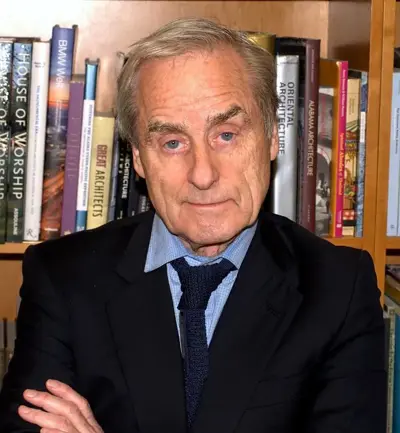
Sir Harold Matthew Evans was a British-American journalist and writer. In his career in his native Britain, he was editor of The Sunday Times from 1967 to 1981, and its sister title The Times for a year from 1981, before being forced out of the latter post by Rupert Murdoch. He was best known for his campaign at The Sunday Times seeking compensation for mothers who had taken the morning sickness drug thalidomide, which led to their children having severely deformed limbs.
