George Crabbe Quotes
Soldiers in arms! Defenders of our soil!
Who from destruction save us; who from spoil
Protect the sons of peace, who traffic or who toil;
Would I could duly praise you, that each deed
Your foe's might honor, and your friends might read.
Crabbe, George. "The Borough." The Poetical Works of George Crabbe. Edited by A. J. Carlyle and R. M. Carlyle, Oxford University Press, 1914.

There is a , romantic American myth about the Militiamen in Colonial and Revolutionary America—the citizen soldiers who would leave their farms and rise to the military necessity of the day. However, not only were the militia very hard to muster to duty, but most actually didn’t own or have experience with firearms, and the prevailing opinion of knowledgeable military leaders from George Washington on down was that the militia were not very good soldiers. See {613015}, {613016}, {613022}, {613027}, {621987}, {621988}, {613030}, {613033}, & {613056}.


This quotation is a wonderful illustration of the change that has taken place in the American military. The young man who was not skilled enough for anything else was meant to be a soldier. By 2010 only one in four high school graduates would be skilled and intelligent to be qualified for the Untied States Navy. The other services also had high requirements in order to function with the high technology, of the modern military.


The George W. Bush Administration had gone to war against Iraq for reasons that turned out not to be true, and then after a military victory with few casualties, botched the occupation of the country and a vicious insurgency developed bogging down the nation in its longest war in history. The major burden fell on the armed forces and their families. The hearings were in part examining the Bush Administration policies.

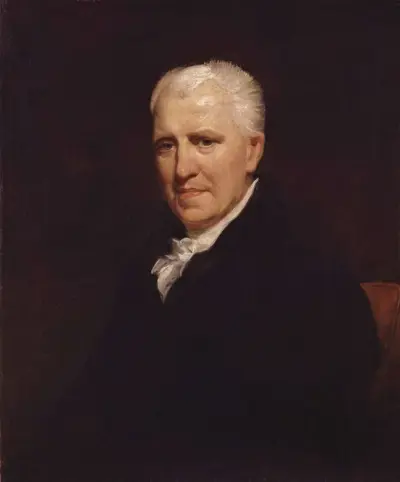
George Crabbe was an English poet, surgeon and clergyman. He is best known for his early use of the realistic narrative form and his descriptions of middle and working-class life and people.
