Kimberle Williams Crenshaw Quotes
School is now a place where punishment and discipline are prioritized over serving students and educating them. Any moment where a student falls outside scripted behavior becomes an opportunity for law enforcement to come in, criminalizing ordinary things people do every day.


Brigham's remark was made in 1853—the Saints were in the midst of a serious struggle for subsistence in the Salt Lake Valley. Famine was a serious threat in these years and those who thieved from their neighbors under such conditions put others' well-being and even lives at risk. The frontier was known for lawless behavior among some, far from military or police power. Under these conditions, thievery could well result in the suffering and death of victims and others in their communities—hence Young’s determination to stamp it out.


He was Defense Minister at the time. This theme was picked up later by both Israel and the United States and after September 11, President George W. Bush made it official U. S. policy.

There are a number of reasons for punishing someone for violating a law. Confucius argues that when the person will no longer continue to commit the crime, further punishment is uncalled for. However, others would argue that there are other reasons to keep punishing a person including retribution / vengeance, incapacitation (people can’t commit crimes if they are in jail), and prevention (make an example to discourage others).
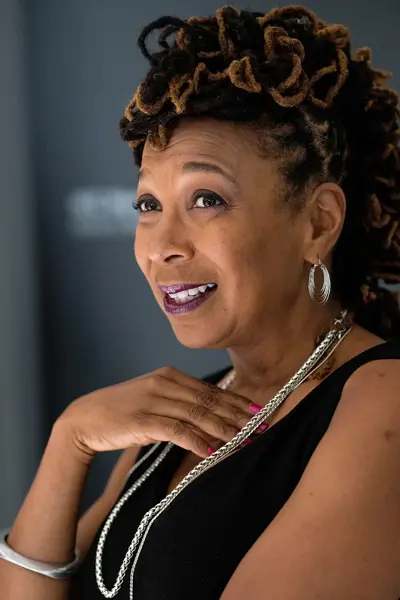
Kimberlé Williams Crenshaw (/ˈkɪmbərli/; born 1959) is an American lawyer, civil rights advocate, philosopher, and a leading scholar of critical race theory who developed the theory of intersectionality. She is a full-time professor at the UCLA School of Law and Columbia Law School, where she specializes in race and gender issues. Crenshaw is also the founder of Columbia Law School's Center for Intersectionality and Social Policy Studies (CISPS) and the African American Policy Forum (AAPF), as well as the president of the Berlin-based Center for Intersectional Justice (CIJ). Crenshaw is known for the introduction and development of intersectionality, the theory of how overlapping or intersecting social identities, particularly minority identities, relate to systems and structures of oppression, domination, or discrimination. Her scholarship was also essential in the development of intersectional feminism which examines the overlapping systems of oppression and discrimination to which women are subject due to their ethnicity, sexuality and economic background.
