Trent Lott Quotes
Racial discrimination does not always violate public policy.
Lott, Trent. Brief of Congressman Trent Lott as Amicus Curiae in Support of Petitioner, Bob Jones University v. United States, 461 U.S. 574, 1981.


Ames was not a native Southerner but as a General of the Union Army he had been the military commander of the wartime district of Arkansas and Mississippi where he became sufficiently popular to be elected Senator. However, once the segregationists returned to political power, Ames lost his bid for reelection amidst a massive, vicious campaign of intimidating Blacks from voting combined with local, rural corruption of the local balloting process. Ames also served as a general in the Spanish American War and was the last surviving Civil War general.


In the 1930s African Americans who traveled were subject to countless humiliations whenever the sought hotels, rooming houses, restaurants and other accommodations. Gas stations would not allow them to use bathrooms and they were reduced to using open fields. Traveling and vacationing was, for Blacks, humiliating. Wikipedia: “Green reviewed hotels and restaurants that did business with African Americans during the time of Jim Crow laws and racial segregation in the United States. He printed 15,000 copies each year. In the 1930s, Green began his work by compiling data on stores in the New York area that accepted black travelers, and published his first guide in 1936. Similar guides had been published for Jewish travelers, who sometimes faced discrimination. Green's guide was so popular that he immediately began to expand its coverage the next year to other US destinations, adding hotel and restaurants as well.”


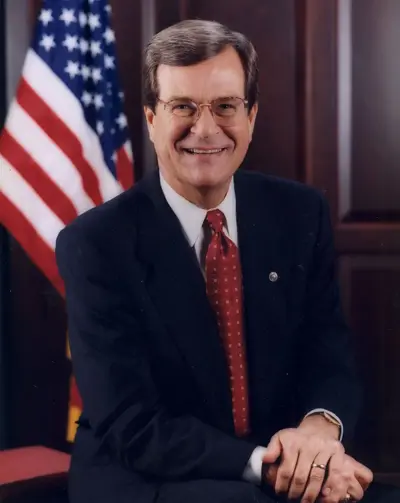
Chester Trent Lott Sr. is an American author and former politician. A former United States Senator from Mississippi, Lott served in numerous leadership positions in both the United States House of Representatives and the Senate. He entered Congress as one of the first of a wave of Republicans winning seats in Southern states that had been solidly Democratic. Later in his career, he became Senate Majority Leader, and, alternately, Senate Minority Leader. In 2003, he stepped down from the position after controversy due to his praising of senator Strom Thurmond's 1948 segregationist Dixiecrat presidential bid.
