Ouida Quotes
Petty laws breed great crimes.
Ouida. Idalia. Chapman & Hall, 1867.


He was killed In the Spanish Civil War.


“Patriot” meant someone who was a supporter of anti-monarchy dissidents and rebels. It was more than a good citizen. The prisoners were incarcerated because they had been accused of supporting the monarchy early in or after the French Revolution.


Attila the Hun

The nobles of the city were in rebellion and fought the English Prince of Wales. When the city was taken, the poor people as well as the nobles were executed for their part in the “rebellion.” However, the poor had no say in the matter, and it was not they who ordered the city gates shut and decided to undergo a siege, which in this case was not successful. Limoges was a heavily walled city, well provisioned for a siege, but the English had miners who undermined part of the city walls and crashed them into the moat and allowed the English to walk in easily.

“Familia” in Latin meant in this context, the community or the citizens as opposed to the officials, The Bishop determined the former was under attack by the officials who in the probating of wills and estates would take bribes or levy taxes under “laws” that they would make up on the spot bilking the rightful inheritors of the property and wealth of the deceased. The principle that laws and regulations must be written down in advance and not otherwise, is a fundamental part of Western law today, But as this quotation shows, it was not always such.


Samuel Langhorne Clemens, 1835-1910


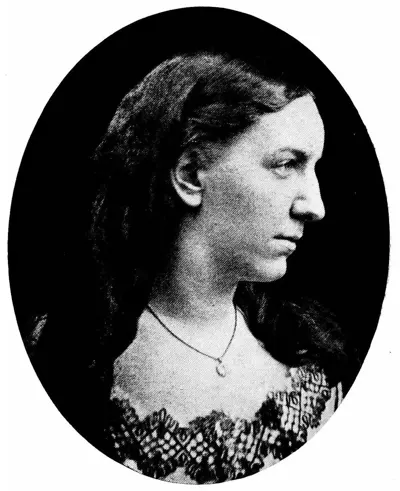
Ouida was the pseudonym of the English novelist Maria Louise Ramé (although she preferred to be known as Marie Louise de la Ramée). During her career, Ouida wrote more than 40 novels, as well as short stories, children's books and essays. Moderately successful, she lived a life of luxury, entertaining many of the literary figures of the day. Under Two Flags, one of her most famous novels, described the British in Algeria. It expressed sympathy for the French colonists—with whom Ouida deeply identified—and, to some extent, the Arabs. The novel was adapted for the stage, and was filmed six times. Her novel A Dog of Flanders is considered a children's classic in much of Asia. The American author Jack London cited her novel Signa, as one of the reasons for his literary success. Her lavish lifestyle eventually led her to penury, and her works were put up for auction to pay her debts. She died in Italy from pneumonia. Soon after her death, her friends organized a public subscription in Bury St Edmunds, where they had a fountain for horses and dogs installed in her name.
