Reinhold Niebuhr Quotes
Perhapsthemost sublimeinsights oftheJewishprophets and the Christian gospel is the knowledge that since perfection is love, the apprehension of perfection is at once the means of seeing one's imperfections and the consoling assurance of grace which makes this realization bearable. This ultimate paradox of high religion is not an invention of theologians or priests. It is constantly validated by the most searching experiences of life.
Niebuhr, Reinhold. Moral Man and Immoral Society: A Study in Ethics and Politics. Charles Scribner's Sons, 1932, p. 81.


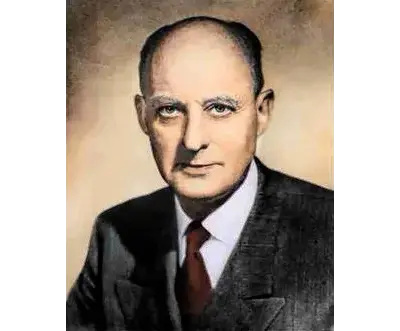
Karl Paul Reinhold Niebuhr (1892–1971) was an American Reformed theologian, ethicist, commentator on politics and public affairs, and professor at Union Theological Seminary for more than 30 years. Niebuhr was one of America's leading public intellectuals for several decades of the 20th century and received the Presidential Medal of Freedom in 1964. A public theologian, he wrote and spoke frequently about the intersection of religion, politics, and public policy, with his most influential books including Moral Man and Immoral Society and The Nature and Destiny of Man. The latter is ranked number 18 of the top 100 non-fiction books of the twentieth century by Modern Library. Andrew Bacevich labelled Niebuhr's book The Irony of American History "the most important book ever written on U.S. foreign policy." The historian Arthur Schlesinger Jr. described Niebuhr as "the most influential American theologian of the 20th century" and Time posthumously called Niebuhr "the greatest Protestant theologian in America since Jonathan Edwards."
