Henry Louis Gates Jr. Quotes
Our society is driven today by so much ethnic discord. We have Black Lives Matter, which I praise and celebrate. We have the demagogues stereotyping Muslims and resurrecting racist stereotypes they used to visit on us. The larger goal is to show that we are all the same, we all come from Africa, and we all have the same larger family tree. It's about the fundamental unity of the human community.
Gates, Henry Louis, Jr. Press Panel for Finding Your Roots. Television Critics Association, 2017.


Having endured centuries of near slavery and discrimination, 70,000 Irish people signed this petition urging American-Irish immigrants to understand the similar plight of African-Americans and to join together with abolitionists. Irish immigrants were nevertheless reluctant to join the abolition movement because the movement was often tied to anti-Catholicism and many feared that the emancipation of Blacks would increase competition for the low-paying jobs immigrants held.


Penn observed the fact that most American social relationships are not multicultural in that Blacks in a restaurant tend to eat with other Blacks, whites and Hispanics the same. While America has a multicultural and diverse work environment and use of public services, it is still rare to see very integrated churches, social clubs, parties and other social activities. While Penn’s observation is correct, the trend is towards much more socialization on racial, religious, cultural, and geographical basis. There is much more intermarriage than in the past and with integrated families, many of the other social pluralism will follow. It was once thought that intermarriage would be the last barrier to fall and would follow from school, church, and other social integration. However, it appears that it is the other way around.
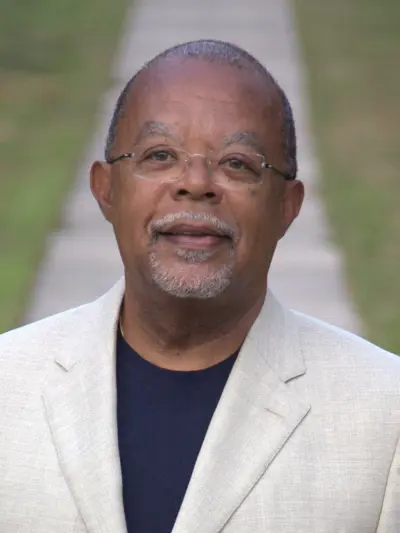
Henry Louis "Skip" Gates Jr. is an American literary critic, professor, historian, filmmaker, and public intellectual who serves as the Alphonse Fletcher University Professor and Director of the Hutchins Center for African and African American Research at Harvard University. He rediscovered the earliest African-American novels, long forgotten, and has published extensively on appreciating African-American literature as part of the Western canon.
