Coretta Scott King Quotes
Our Congress passes laws which subsidize corporation farms, oil companies, airlines, and houses for suburbia. But when they turn their attention to the poor, they suddenly become concerned about balancing the budget and cut back on the funds for Head Start, Medicare, and mental health appropriations.
King, Coretta Scott. The Words of Coretta Scott King. Newmarket Press, 1999.


An income tax had been instituted during the Civil War but had lapsed. Existing taxes were all excise or head taxes—very regressive. Later there was a political movement to bring back the income tax with the intention of taxing all income equally. There was a titanic struggle which culminated in a Constitutional Amendment allowing the income tax. None of the original politicians, for or against, the income tax could never imagine an income tax that would charge lower rates for investment income. That was the entire purpose of the income tax at the beginning—to tax investment (unearned) income. The “capital gains tax” was the creative way of the rich getting back some of what they thought the lost when the income tax was instituted.


Many of the richest people continue to acquire more money via illegal and immoral means. See {630537}.

This point of of view is actually held by a significant number of conservative Americans. They believe that welfare actually causes the inability of the very poor to get ahead. However, almost no people who have been recipients of welfare, including those who not only emerged from poverty but became wealthy and distinguished, agreed with them. The Congressman was silent about all the companies and wealthy individuals who regularly take corporate welfare and subsidies from the government and who do not seem to be negatively affected.

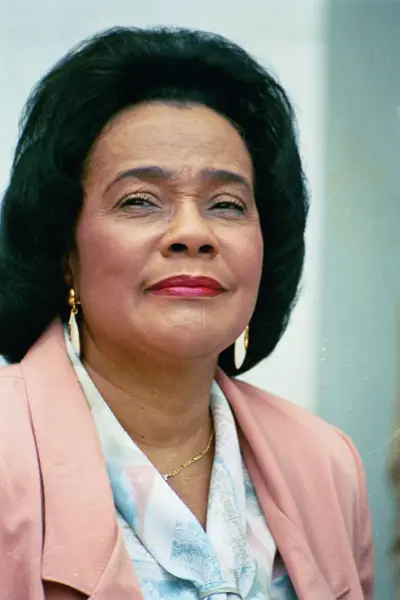
Coretta Scott King was an American author, activist, civil rights leader, and the wife of Martin Luther King Jr. As an advocate for African-American equality, she was a leader for the civil rights movement in the 1960s. King was also a singer who often incorporated music into her civil rights work. King met her husband while attending graduate school in Boston. They both became increasingly active in the American civil rights movement.
