Fanny Kemble Quotes
[On disagreeing with her husband about his slave-holding:] I cannot give my conscience into the keeping of another human being or submit the actions dictated by my conscience to their will.
Kemble, Frances Anne. Records of Later Life. Henry Holt and Company, 1882, p. 176.


Many people who were opposed to slavery, were not willing to take any draconian steps to end or curtail the practice as every proposal had implications for the existing institutions in the country and the society. Starting with the Union itself and the Congress and the government, churches, associations, states, even families were irrevocably split.


Wayland, felt slavery was immoral and against the world of God. But he sought a middle-of-the-road position to keep his religion from schism and his University Trustees from conflict. The Baptist Churches of America were split asunder by the slavery issue. Wayland, who represented both the Northern abolitionist-leaning Baptist Churches and the Southern pro slavery churches, tried to forge a middle ground whereby slavery would end by the moral enlightenment of man and his love for fellow man as opposed to by legislation or economic pressure. He successfully predicted the outcome of the conflict except for one error he made. The conflict DID end slavery. The Baptist Church finally split into southern and northern wings in 1845. To this day, the Southern Church is extremely conservative, and fundamentalist; the Northern, very liberal and modern.


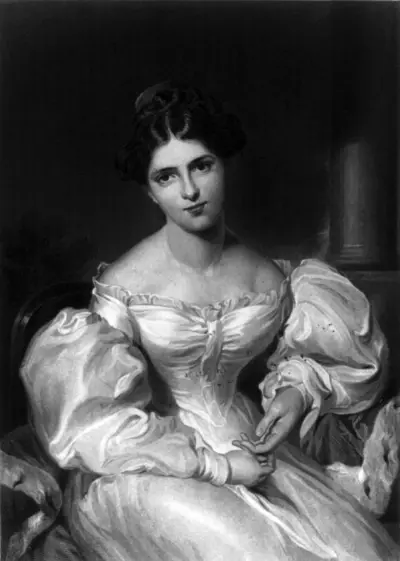
Frances Anne "Fanny" Kemble was a British actress from a theatre family in the early and mid-19th century. She was a well-known and popular writer and abolitionist, whose published works included plays, poetry, eleven volumes of memoirs, travel writing and works about the theatre.
