Li Peng Quotes
Multi- polarisation has become an inevitable trend in the process of shaping a global political pattern and has been widely welcomed by the international community as it reflects the common interests and aspiration of the overwhelming majority of countries.
Li, Peng. "Deepen Understanding, Foster Friendship and Strengthen Cooperation." Address at the India International Centre, New Delhi, 13 Jan. 2001.


Many of his colleagues were concerned that there were relative power changes in the world and argued that no change should be tolerated by England. However, change is always in process although often it is not noticed until it has advanced and changed the balance of power. The rise of China, India and Brazil in the beginning of the 21st century are an example.


The US Congress passed the Magnitsky Act which allowed parties to sue in American Courts, Russian companies and individual wrongs committed against Russian Citizens in Russia. (The Russian prison system controlled by some corrupt powers in Russia had killed Magnitsky for exposing some massive corruption of some Russian officials. Although morally justified, legally the act was an interference in another nation’s internal affairs.) The Russians then banned the adoptions which actually hurt them far more than the U. S., but it was a retaliation which to maintain their dignity and sovereignty the Russians felt was necessary. It is an excellent example of the lack of predictability and reaction to various foreign policy moves. Retaliation could take any form, related or not, proportional or not, rational or not.
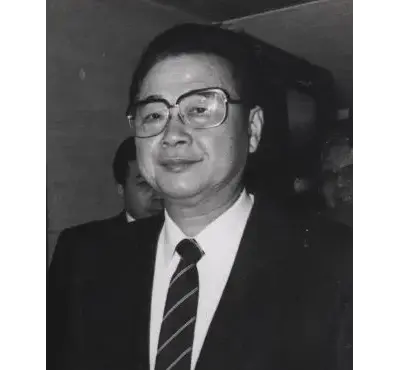
Li Peng was a Chinese politician who was the fourth Premier of the People's Republic of China from 1987 to 1998, and as the Chairman of the Standing Committee of the National People's Congress, China's top legislative body, from 1998 to 2003. For much of the 1990s Li was ranked second in the Communist Party of China (CPC) hierarchy behind then Party General Secretary Jiang Zemin. He retained his seat on the CPC Politburo Standing Committee until his retirement in 2002.
