Edward Abbey Quotes
Longevity, like intelligence and good looks and health and strength of character, is largely a matter of genetic heritage. Choose your parents with care.
Abbey, Edward. A Voice Crying in the Wilderness (Vox Clamantis in Deserto). St. Martin's Press, 1989.


Though a great early science, he was ignorant of the many non-genetic factors that could cause deformities in children ranging from nutritional deficiency to improper delivery techniques. Even in the genetic area he had no inkling of mutations where deformities develop and have NOTHING to do with either parent’s genetic history. Last, he did not realize that a large proportion of all pregnancies abort before the mother even realizes that she was pregnant.


She was one of Francis Galton’s collaborators in his laboratory. This particular quotation if true challenges some of the basic aspects of democracy itself. However, it was a large part of the basis for the Eugenics movement, and is still argued by some today.
This pseudo-scientific organization, in spite of the junk science it was promulgating, actually had a substantial American following and over 20 states actually passed laws to allow forced sterilization who were “UNFIT”. In reality while there is a genetic component to each of the examples it only increases the probabilities and is not determinative. And even f it were and there were selective breeding of humans, these “TRAITS” would not be eliminated in 3 generations,
This pseudo-scientific organization, in spite of the junk science it was promulgating, actually had a substantial American following and over 20 states actually passed laws to allow forced sterilization who were “UNFIT”. In reality while there is a genetic component to each of the examples it only increases the probabilities and is not determinative. And even f it were and there were selective breeding of humans, these “TRAITS” would not be eliminated in 3 generations.


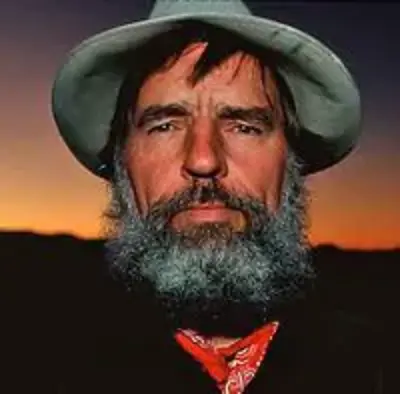
Edward Paul Abbey was an American author and essayist noted for his advocacy of environmental issues and criticism of public land policies. His best-known works include Desert Solitaire, a non-fiction autobiographical account of his time as a park ranger at Arches National Park considered to be an iconic work of nature writing and a staple of early environmentalist writing; the novel The Monkey Wrench Gang, which has been cited as an inspiration by environmentalists and groups defending nature by various means, also called eco-warriors; his novel Hayduke Lives; and his essay collections Down the River (with Henry Thoreau & Other Friends) (1982) and One Life at a Time, Please (1988).
