Andrew Mellon Quote

Don Ritchie

Context: Franklin D. Roosevelt and the New Deal then created the Securities and Exchange Commission to Regulate the Stock Market and that kept things under reasonable control for over 50 years, but then the fraudulent schemes had gotten very sophisticated and the Enron and other scandals were uncovered, leading to Sarbanes Oxley and other more regulatory legislation.

Lionel Trilling

Context: Arguably, for most of American History, most of the “smartest” people contributed to manufacturing, construction, research and development—activities that produce things that are wanted and/or needed. However, Wall Street began attracting and paying for some of the smartest people in the society, who when they engaged in finance—not only contributed less to manufacturing, but began to create highly complex financial instruments and procedures that few people could understand and with which regulators have difficulty understanding. These and the other schemes of financing have been major factors in the economic problems that have beset the economy including the meltdown of 2008 and the subsequent Great Rescission.

Franklin D. Roosevelt

Context: The South then had the poorest education in the country and recovery from the Great Depression was made easier by a workforce that was educated enough to handle many of the new jobs and new techniques of doing the old jobs. And that was where the South lagged. The small farms which were the mainstay of the Southern economy were by then far less important as agriculture was undergoing major changes, technological and ecoomic, with many small farmers leaving the farms for the factories if they could.

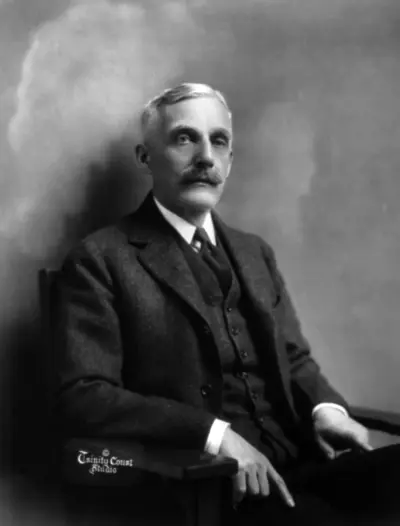
Portrait of Andrew Mellon
Andrew Mellon
  • Born March 24, 1855
  • Died August 26, 1937
  • Nationality American
  • Profession Businessman

Andrew William Mellon, sometimes A.W., was an American banker, businessman, industrialist, philanthropist, art collector, and politician. From the wealthy Mellon family of Pittsburgh, Pennsylvania, he established a vast business empire before transitioning into politics. He served as United States Secretary of the Treasury from March 9, 1921, to February 12, 1932, presiding over the boom years of the 1920s and the Wall Street crash of 1929. A conservative Republican, Mellon favored policies that reduced taxation and the national debt in the aftermath of World War I.