Mike Quigley Quotes
Let's face it: when it comes to denying access to abortion care and reproductive rights, especially for low-income women with limited resources, there's no limit to how far some are willing to go.


See {592411} for Hardin’s reputation on abortion.


Although abortion was illegal and condemned by virtually all elements of American society, it was practiced in numbers far in excess of anything that occurred after abortion had become legal. The economic and social pressure for abortion was the major driver of abortion then and has probably almost always been so.
Not all abortion opponents object to birth control, but many do believing the two practices to be morally sinful. While the abortion conflict is given more publicity there are many in America who would return to the pre 1963 era when birth control was criminalized.

His point was that if the Federal right to abortion was overturned, the states would have different laws. California would almost certainly allow abortion so rich women could fly there to have their abortions. Poor women would use Cytotec—a drug that causes abortion.

In what may be the first written record of abortion in the "new world"

Part of this maldistribution problem is a general health care distribution problem in rural areas. The larger part however, is the result of the religious and right to life pressures which tend to have more affect in rural areas than in cities and suburbs. One pressure is the fear that abortion providers have as a result of the many murders and assaults of the right to life forces.


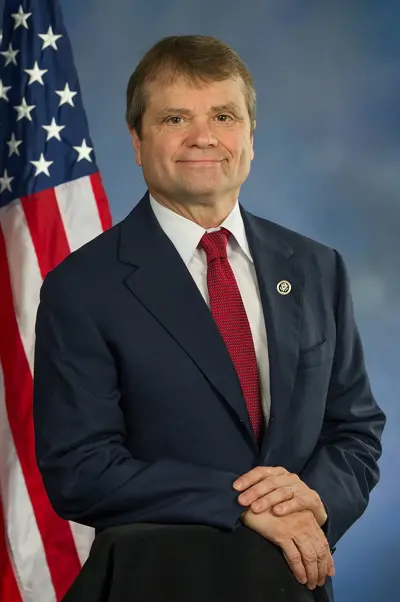
Michael Bruce Quigley is the U.S. Representative for Illinois's 5th congressional district, serving since the April 7, 2009 special election. The district includes most of Chicago's North Side, as well as several of the city's western suburbs. He is a member of the Democratic Party. Quigley is a former member of the Cook County Board of Commissioners, where he represented Chicago's northside neighborhoods of Lakeview, Uptown, and Rogers Park. He also teaches environmental policy and Chicago politics at Loyola University Chicago.
