Kenneth Scott Latourette Quotes
John the Baptist, who we are told was related by blood to Jesus, was preaching the impending judgement of God, urging repentance and moral reform, and baptizing in the Jordan River those who responded.
Latourette, Kenneth Scott. A History of Christianity. Harper & Brothers, 1953.


Jefferson was a deist but had little love for the organized religions and did not consider the Bible as the revealed word of God.


Some of the founding fathers were deeply religious men while others were not so. Some varied in their believes at different times of their lives, and a number were not very favorable towards orthodox religion. At the time, Roman Catholic and Protestant churches were persecuting other religions throughout Europe and people were still being killed for their “heretical” beliefs. Most important to some of them, kings and other monarchs whom they abhorred, all at the time claimed the Divine Right of Kings and the established churches were the most important support for monarchs. At the time most organized religions were opposed to freedom of conscience and certainly opponents of separation of church and state. American churches tended to take on American values but were never given the chance to dominate the American government they way many religions had in Europe and the rest of the world.


Jefferson was not anti-Christian as some accuse him. He was a great admirer of Jesus’ life and philosophy. He did object to the non-ethical aspects of Christianity—the rituals, miracles, dogma, hierarchy, and organized churches. See {611664} . Jefferson even went so far as to compile his own version of the Bible—New Testament sometimes called the “Jefferson Bible”—where he translated the material and then extracted the ethical principles leaving out everything else.


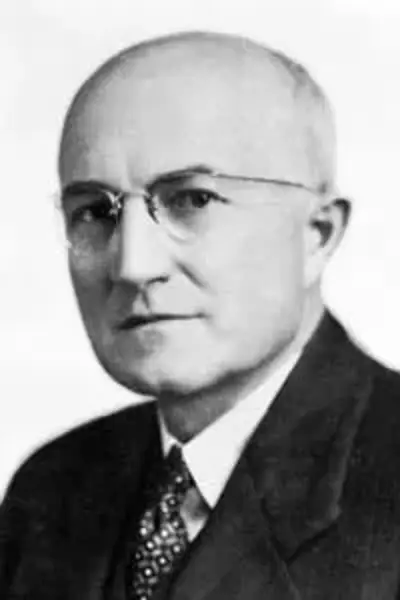
Kenneth Scott Latourette was an American historian of China, Japan, and world Christianity. His formative experiences as Christian missionary and educator in early 20th century China shaped his life's work. Although he did not learn the Chinese language, he became known for his magisterial scholarly surveys of the history of world Christianity, the history of China, and of American relations with East Asia.
