Henry James Sumner Maine Quotes
It is true that the aristocracies seem to have abused their monopoly of legal knowledge; and at all events their exclusive possession of the law was a formidable impediment to the success of those popular movements which began to be universal in the western world.
Maine, Henry Sumner. Ancient Law: Its Connection with the Early History of Society, and Its Relation to Modern Ideas. John Murray, 1861, p. 13.


In 1927 there was a Peasant Uprising in the Hunan Province of China. Young Mau went there and wrote a report. Corruption has plagued China for millennia. As can be seen by this quotation, Mao thought that a “people’s revolution” would end corruption and despite capital punishment for corruption under the Communist government, corruption still thrived. By the 21st century corruption was common among local Communist Party Officials despite national party and government attempts to obliterate it.


While this is very true in the long term, the Church in the short term has almost always supported actively or by its neutrality, the ruling class as opposed to those who would make revolutionary change even to the extent of participating in the torture, murder, and intimidation of most of the Catholics in the society. The ruling class, in turn, supported the Church and used the power of the state to enforce religious doctrine and prevent alternative religious views and practices to prevail even if only with small minorities. See {632407} for another Mises quotation articulating examples of this.


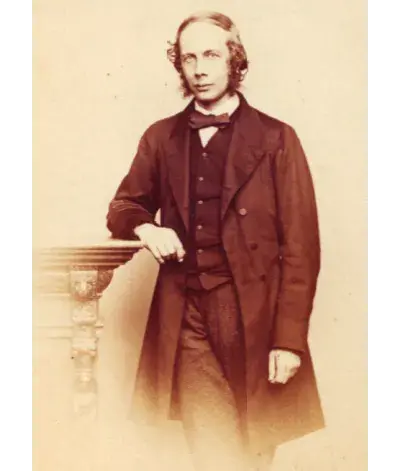
Sir Henry James Sumner Maine, KCSI, was a British Whig comparative jurist and historian. He is famous for the thesis outlined in his book Ancient Law that law and society developed "from status to contract." According to the thesis, in the ancient world individuals were tightly bound by status to traditional groups, while in the modern one, in which individuals are viewed as autonomous agents, they are free to make contracts and form associations with whomever they choose. Because of this thesis, Maine can be seen as one of the forefathers of modern legal anthropology, legal history and sociology of law.
