Mary Hunter Austin Quotes
In the common esteem, not only are the only good aboriginals dead ones, but all aboriginals are either sacred or contemptible according to the length of time they have been dead.
Austin, Mary. The Land of Journey's Ending. Century Co., 1924, p. 237.


To many, this quotation is shocking. TR was a presidential pioneer in race relations being the first President to ever invite a Black to dine at the White House. See {588996} for his views on Blacks. Although modern and liberal with respect to most minorities, TR had a major blind spot regarding Native Americans and was among the worst racists.

Brant had an English style Missionary education and was an Anglican, belonging to the Church of England. During the American Revolution, he persuaded most of the Iroquois tribes to fight for the British against the revolutionary colonists. However, the Oneida tribe was not persuaded and joined the rebel side. A few New England Presbyterian missionaries had targeted the Oneida people, and when that tribe chose the “wrong” side, Brant believed that the reason was their different religious point of view. After the Revolution, Brant and his Iroquois followers were driven out of their American lands and escaped to Canada, while the Oneida were given complete title to their lands by George Washington.

Wayne played so many parts depicting whites in the process of expanding Westward that many people saw him as an expert on the history of the Westward Expansion. He did not comment on the whites who then kept huge ranches “selfishly” for themselves or those who selfishly would not share the mineral rich land that they had taken with anyone including the original Indian owners. So in this view, the Indians should have not been capitalists but they should have been socialists and shared their resources.


Introducing a bill to require a name change for the Washington professional football team:

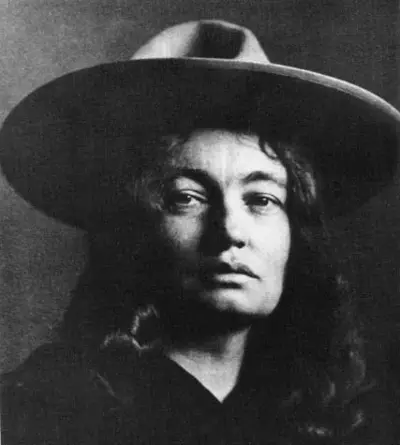
Mary Hunter Austin was an American writer. One of the early nature writers of the American Southwest, her classic The Land of Little Rain (1903) describes the fauna, flora, and people – as well as evoking the mysticism and spirituality – of the region between the High Sierra and the Mojave Desert of southern California.
