Edward Gibbon Quotes
In everyage and country, the wiser, or at least the stronger, ofthetwosexes, hasusurped thepowers ofthe state, and confined the other to the cares and pleasures of domestic life.
Gibbon, Edward. The History of the Decline and Fall of the Roman Empire. Vol. 1, W. Strahan and T. Cadell, 1776, p. 227.


In the Nez Perce and most other Native American societies, there were Chiefs and occasionally, for special circumstances, War Chiefs, but few if any other officials, thus producing a very flat, egalitarian society. But the whites had many layers of bureaucrats and petty officials. Governors, The President, Members of Congress, State Legislators, Generals, Sheriffs, Indian Agents, tax collectors, and the like. On the Papago Indian reservation, there was great difficulty on a construction project as even the concept of a work foreman was an uncomfortable notion. No Papago wanted to be directed or ordered about by anyone else even on a work gang. And do no one wanted to assume a position of authority or be responsive to a fellow other than the Chief and the tribal elders.


This view is very similar to that of some of the religious fundamentalists in America who would oppose most of the other Nazi doctrines.


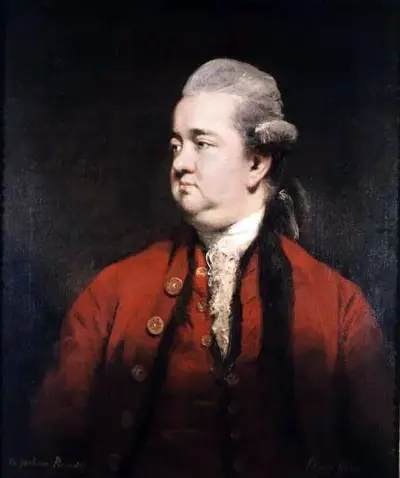
Edward Gibbon FRS was an English historian, writer and Member of Parliament. His most important work, The History of the Decline and Fall of the Roman Empire, was published in six volumes between 1776 and 1788 and is known for the quality and irony of its prose, its use of primary sources, and its polemical criticism of organised religion.
