David Cay Johnston Quotes
In 1990, about 1 percent of American corporate profits were taken in tax havens like the Cayman Islands. By 2002, it was up to 17 percent, and it'll be up to 20-25 percent very quickly. It's a major problem. Fundamentally, we have a tax system designed for a national, industrial, wage economy, which is what we had in the early 1900s. We now live in a global, asset-based, services world. And we need to have a tax system that follows the economic order or it's going to interfere with economic growth, it's going to reduce people's incomes, and it's going to damage the US.
Johnston, David Cay. "The Fine Print: David Cay Johnston on How the Tax Code Subsidizes the Rich." Interview by Arnie Cooper. The Sun, no. 346, Oct. 2004, pp. 4-13.


Romney, a very wealthy businessman running for President as a Republican, had owned and controlled companies that had outsourced jobs abroad. In addition, he personally maintained large bank accounts in Switzerland and Caribbean tax havens and kept his tax returns secret to minimize his exposure. Ironically, there was nothing illegal in his maintaining such accounts, and most very wealthy people did. However, Romney, never secure in his own skin, didn’t want his opponents to focus on the fact that he did what rich people did and what most middle class and poor people rarely did and considered somewhat unpatriotic. So this insult was very effective as most people thought that when the American banks were in danger of collapsing in the Meltdown of 2008, and had to be bailed out by the taxpayers, he would not keep much of his money in the American banking system—easy to understand for a wealthy investor, but not so good for a politician claiming to have the nation’s interest as a first priority. Many conservatives argued that it was patriotic for a citizen to maximize his personal wealth and economic security and Romney should have defended his actions so Romney was caught in the middle, hence a good target for his opponents.


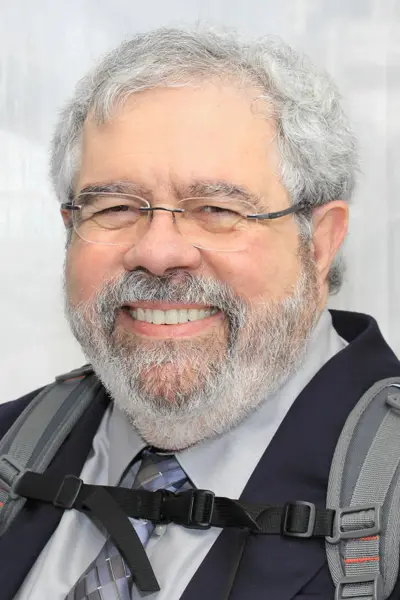
David Cay Boyle Johnston is an American investigative journalist and author, a specialist in economics and tax issues, and winner of the 2001 Pulitzer Prize for Beat Reporting.
