Albert Ellis Quotes
If something is irrational, that means it won't work. It's usually unrealistic.
Ellis, Albert, and Robert A. Harper. A Guide to Rational Living. Wilshire Book Co., 1961.

When the Shah left Iran, the moderate religions leaders of the country. including those who were major opponents of the Shah, approached the American ambassador urging America do something to prevent the exiled Ayatollah Khomeini who had returned to Tehran from taking over the government, as they claimed he would;d create a dictatorial theocracy. Ambassador Sullivan was convinced tghatg America should work with the new government an d negotiate with them for moderation. See the related quotes for more of his erroneous thinking.


Characterizing the nations crop insurance program:

of allegiance to the U.S. There were a number of “Copperheads” –Southern sympathizers—in the North, especially those areas that were near borders with Southern States. Some patriots proposed requiring everyone to take an oath—a solution that tends often to be suggested in times of war and strife, but really doesn’t do any good. The real traitors just falsely take the other; others who refuse, do so on principle and are rarely dangerous. Few public men had had the courage to call the process of requiring loyalty oaths absurd as Sherman did in the Civil War. In almost every era of war—cold or hot—there are some people who call for requiring more loyalty oaths and relatively few like Sherman who will publicly admit its futility.


Characterizing White House Chief of Staff and fellow Republican Donald T. Regan:
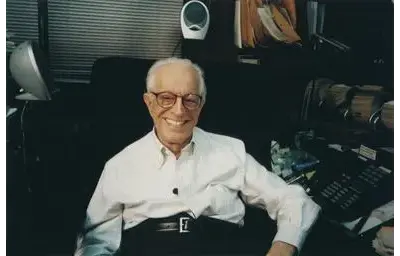
Albert Ellis was an American psychologist and psychotherapist who founded Rational Emotive Behavior Therapy (REBT). He held MA and PhD degrees in clinical psychology from Columbia University, and was certified by the American Board of Professional Psychology (ABPP). He also founded, and was the President of, the New York City-based Albert Ellis Institute. He is generally considered to be one of the originators of the cognitive revolutionary paradigm shift in psychotherapy and an early proponent and developer of cognitive-behavioral therapies.
