If I was going to sell out, I would do it for more than 10,000 records.
If I'd just been interested in record sales, I would have taken one of the deals I was offered after 'Soapstar Superstar,' made a quick covers album and probably had some success for five minutes. I decided that wasn't for me.
When no one's buying your records, it's easy to justify selling a song. But once you start selling records, you can't really justify having two songs in Cadillac commercials. It looks greedy. And it is greedy. This whole music thing should be about music.
There's very few people who want to just make beautiful films that make money, when they can make films that make huge money.
Because obviously the whole purpose of putting records out is purely and simply to make money.
Most of Hollywood is about making money - and I love money, but I don't make the films thinking about money.
No one starts playing my kind of music to make a fortune. But I do want to keep doing what I do and I do want to continue selling records. And I would, eventually, quite like some money.
I now believe that major labels can only work with people who care more about fame and money than the quality of the art they produce.
The box office isn't something I consider. If I do, I can't really work.
If people really like your music but you're not selling so many records, I don't think it really matters.
Let's not forget, art can sell. You ain't gotta front all the time on your records.
I don't think most rock stars are particularly calculating. I don't think they sit there and think, 'I will do this; therefore, on Monday, I will sell another 200,000 records'.
The industry is all about money. It has nothing to do with talent and calibre. The star system is a money game.
Tears for Fears was always very personal, but at the same time, it was always big business, a lot of pressure.
Obviously, I would like to play to bigger audiences and have a bit more success, but not if I have to commercialize.
I'm down to sell records but not my soul.
Promoters don't book you 'cause they like you; they do it 'cause there's good business to be done.
When I was still doing indie, it was just purely art. I don't think about how much I will get paid or how much the movie will earn.
Sometimes, people will fight over five, six percent, because if it's a smash record, that can mean a lot of money. I don't really care.
In the beginning, because of the Pavement thing, we were able to sell a certain amount of records. We were able to sell not such a great amount of records, but enough to live on. So there was no incentive to do what didn't come naturally.
I don't see Hollywood as the big enemy, because this is where the money is, and not all of the companies are doing studio movies. I'm not tempted to sell out. If I'm going to become well known, I want it to be for something I'm proud of.
I'm not heart-broken if I don't have a hit. But I guess a hit would help. It makes the money go up a bit.
If you're in music just to become a big, fat rock star, then I probably don't like your music to begin with.
The irony about selling out is that they only call you a sell-out when your stuff finally sells - I've had products bearing my name since I was 14, but nobody was buying them then.
My goal was never to sell many records.
Some musicians don't have strong opinions, or they deliberately don't have strong opinions because they want to try and sell as many records as possible.
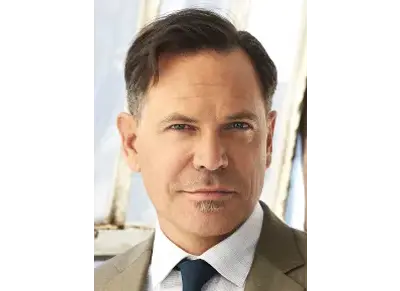
Kurt Elling is an American jazz singer and songwriter.