Robert G. Ingersoll Quotes
I will not attack your doctrines nor your creeds if they accord liberty to me. If they hold thought to be dangerous - if they aver that doubt is a crime, then I attack them one and all, because they enslave the minds of men.
Ingersoll, Robert G. The Works of Robert G. Ingersoll, Volume 1. Dresden Publishing Company, 1902, p. 24.


Ingersoll was considered to be the greatest orator and political thinker of his day, but his overt atheistic views curtailed his elected political career.


The editorial was in response to Congressional hearings held by J. Parnell Thomas of the House Un-American Activities Committee whereby Hollywood producers and directors were questioned about their political beliefs.

He was announcing that a lecturer Kevin Barrett would not be fired from the University. Barrett had taken the position with his students that the 9-11 attack on the World Trade Center could not have been done by a handful of terrorists and it must have done by or with the complicity and help of forces inside the United States government. There had been outrage throughout the country with demands by many politicians for his ouster. The University did not bend to the political pressure even in the case where there was such an outrageous and incorrect view.


In 1877 Wasburn was dropped from the List of Ministers by the Unitarian Church. He had become quite atheistic.


Ingersoll was considered to be the greatest orator and political thinker of his day, but his overt atheistic views curtailed his elected political career.

Later published under the pseudonym Silence Dogood in the New England Courant, July 9, 1722. Cato originated the quotation in Ancient Rome. A millennium later, Ben Franklin picked it up and made it and made it very popular. Note that it was very common in early America for publishers and writers to copy materials from others and publish them under their own name. America was a major intellectual property pirate in its early years copying and printing much and rarely giving credit and never paying an author's royalty--not unlike some of the Asian nations today.


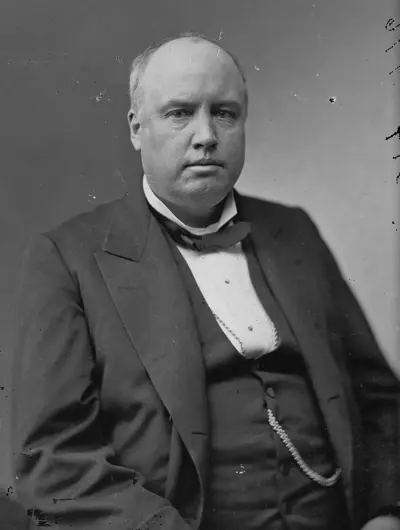
Robert Green "Bob" Ingersoll was an American lawyer, a Civil War veteran, political leader, and orator of the United States during the Golden Age of Free Thought, noted for his broad range of culture and his defense of agnosticism. He was nicknamed "The Great Agnostic". Ingersoll was considered to be the greatest orator and political thinker of his day, but his overt atheistic views curtailed his elected political career.
