Kehinde Wiley Quotes
I know how young black men are seen. They're boys - scared little boys, oftentimes. I was one of them. I was completely afraid of the Los Angeles Police Department.
Wiley, Kehinde. "Painter Kehinde Wiley On Presidential Portraits And The Evolution Of His Art." Interview by Terry Gross. Fresh Air, NPR, 22 Feb. 2018.


The vast majority of the million Blacks in prison have been sentenced for using or selling drugs.


Two decades earlier leading Black politicians, observing the differential deleterious effects of drug use on Blacks called for a massive Federal effort to diminish substance abuse. The War on Drugs responded and reduced the drug use in America somewhat. However, the unintended consequences—especially for Blacks—caused many Black politicians to call for an end or serious curtailing to the War on Drugs. The differential effect on Black males was dramatic. White drug dealing tended to occur in private offices and homes where black dealing takes place to a greater extent on the streets where the lower level dealers are much more likely to be caught. The differential penal;ties for possession or selling of powdered cocaine (preferred by whites) and crack cocaine (preferred by Blacks) caused many more Blacks to be jailed. With less access to the better attornies, the Bplacks tend to get longer sentences, even for the same crime. In addition, the drug of choice for most whites is alcohol which was made legal while the drugs of choice for Blacks are illegal. In many Black urban neighborhoods like Newark, the majority of young Black men arwere in jail for ddrug law violations. See {624056} for a concurring opinion.

The judge found that Blacks and Hispanics were stopped and frisked at a much higher rate than whites despite the fact that whites, when they were stopped and searched had a higher rate of carrying an illegal gun or illegal substances.

Given that the Black population is less than 15 percent of the total, the odds against this occurring by chance is less than 100 million to one. The problem was then very hard to solve in that in most cases the cause was not anti-Black hostility. Rather it was that most police—including some Black police officers—were more fearful for Black males relative to white males and perceived themselves or the public in mortal danger much more often with Blacks than with whites in similar situations. Much of this was a historical societal bias and fear of Black males and much was the result of the disproportionate media depiction of violent Black males.

Instead of standing and saluting as professional athletes have done for decades before games, he kneeled and refused to stand. This caused great public criticism but also some initial support. He was potentially risking his multimillion dollar salary as this technically violated his contract to avoid anything embarrassing to the team. He also donated $1 million to programs in the area that were working to enhance Black/white understanding. Even those who disagreed with his choice of protest defended his right to do so, and after the initial furor, public opinion, while not in agreement about his method, tended to support him for having the courage of his convictions and using his celebrity for a worthy cause. After sensing the public opinion, his team matches his $1 donation. Professional athletes both in the NFL and in other sports then began to do the same as a form of protest for the large, disproportionate, number of black men who were killed, mostly when unarmed, by police. The reference to the “paid leave” was the practice followed by most police departments—usually required by collective bargaining agreements with police unions—of placing police officers accused of committing violations of laws or regulations on paid administrative leave while all the investigations, hearings, and other processes . While this practice protected the rights of those police officers who were not guilty, it ended up paying brutal murders for a some time entire their case was decided or acted upon be the district attorney.
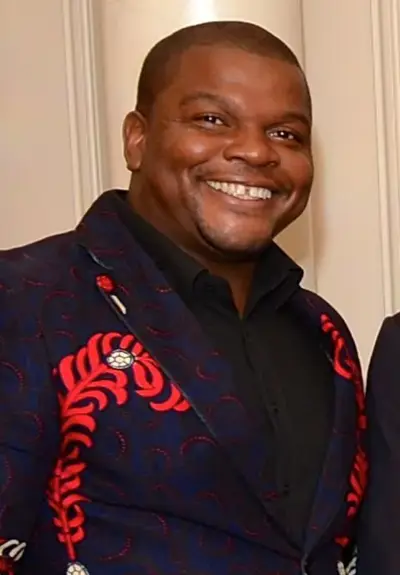
Kehinde Wiley is an American portrait painter based in New York City, who is known for his highly naturalistic paintings of African Americans, frequently referencing the work of Old Master paintings. He was commissioned in 2017 to paint a portrait of former President Barack Obama for the Smithsonian National Portrait Gallery, which has portraits of all previous American presidents. The Columbus Museum of Art, which hosted an exhibition of his work in 2007, describes his work as follows: "Wiley has gained recent acclaim for his heroic portraits which address the image and status of young African-American men in contemporary culture."
