Sia Furler Quotes
I don't want to have to do production, which is very technical. I don't enjoy that.
Reitman, Janet. "How a Song Written by Sia Furler Becomes a Hit." The New York Times Magazine, The New York Times Company, 18 Apr. 2014.


Hine was emphasizing the importance of the worker, However, since 1932, there has been technological change. Behind the building of modern machines are still the brains of men, but not so much the toil anymore. Most machines are made in modern times by a combination of the “toil” of men and robots, and the proportion done by men is steadily decreasing. And this change has been a large factor of the loss of dignity and respect that the American manual worker has undergone.

Ford’s associate Henry Sorenson also was deeply involved with developing the concept of an assembly line. History has tended to give the credit to Ford as he was the boss. However, it is doubtful that either man thought of the concept independently by mutually and collegially developed and implemented the idea.

He was intensely fascinated by mechanics so he joined the Russian Army where he received education and training, and became one of the great military inventors and engineers of all time.


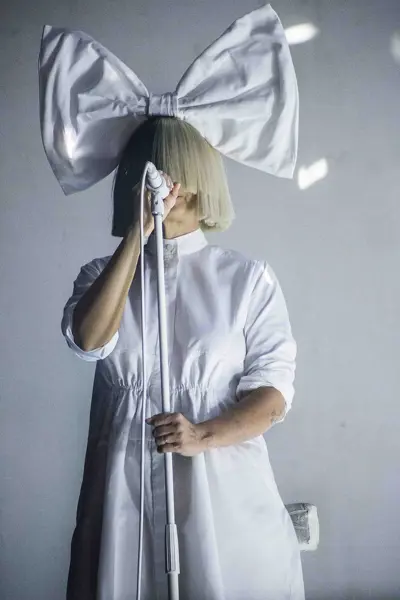
Sia Kate Isobelle Furler is an Australian singer, songwriter, voice actress and director. She started her career as a singer in the acid jazz band Crisp in the mid-1990s in Adelaide. In 1997, when Crisp disbanded, she released her debut studio album, titled OnlySee, in Australia. She moved to London and provided vocals for the British duo Zero 7. Sia released her second studio album, Healing Is Difficult, in 2000, and her third studio album, Colour the Small One, in 2004.
