Michael Sandel Quotes
I am trying to get at the moral arguments and the ethical status of various attempts at enhancement, or genetic engineering, or the bid for designer children. But there are implications for society at large.
Sandel, Michael J. "The Case Against Perfection: Ethics in the Age of Genetic Engineering." Pew Research Center, 9 May 2007.


Critics of her position observe that the same objections could describe the decisions of what we teach children today. There is much disagreement about what should be taught. In the final analysis our society allows the parents to decide. If they want to send a child or a religious school that did not teach mathematics that is their right. If they chose a science school that did not teach music, that too is their right. Genetics may be treated no differently.


Freedman was the producer and narrator of a TV series on sophisticated topics of science. There are a number of jurisdictions in the world where it is not a crime to clone a human being. Once someone implants a clone into a human female, there is little society can do little to “prevent” the clone from being born. Many religious fundamentalists who oppose human cloning will fight to protect the life of the clone baby in utero. For all we know, clones have already been born and are attending school with other children as no one could easily tell that a child (or an adult) is a clone.


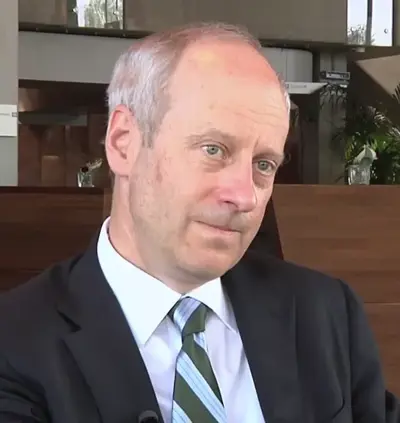
Michael Joseph Sandel (/sænˈdɛl/; born 1953) is an American political philosopher and the Anne T. and Robert M. Bass Professor of Government Theory at Harvard University Law School, where his course Justice was the university's first course to be made freely available online and on television. It has been viewed by tens of millions of people around the world, including in China, where Sandel was named the "most influential foreign figure of the year" 2011 (China Newsweek). He is also known for his critique of John Rawls' A Theory of Justice in his first book, Liberalism and the Limits of Justice (1982).
