Anne Tracy Morgan Quotes
I am heartedly in favor of these strikers, but they do not appreciate the best of what our society has produced.
Morgan supported the strikers because they were abused, paid unfair wages, and were made to work in unsafe conditions. However, she believed that reform was needed and not class warfare which pitted workers and laborers against the bosses and owners. However, at the time the bosses and owners did not believe that there should be any reform and the nation was in decades of class warfare that has diminished but not ended into the 21st century. The clothing workers finally were offered higher pay and somewhat better working conditions but the owners would not recognize their union and their right to collectively bargain. At this point Morgan ceased supporting the workers actively.
Anne Tracy Morgan, 1873-1952, Socialite & Daughter of J.P Morgan, then the wealthiest man in the country, Feminist and Supporters of New York City Female Clothing Workers Striker Demands for Reasonable Pay and Working Conditions, Statement 1911, Quoted on The American Experience, The Triangle Fire, February 28, 2011
Sourced by: Eigen's Political and Historical Quotations


This was praise indeed as Wellman was generally very conservative.

At the time, industrialists could not even conceive of the notion of negotiating over wages must less collective bargaining.


He had squads of thugs that he would “rent” out to other gangsters for their enforcement activities and to unions to protect themselves from goons and intimidate non union workers. However, he would not let his men work as goons and strike busters or for companies—despite huge pay offers—to keep their workers in line, a common practice at the time.


After a CIO retail clerks’ union led a strike against Montgomery Ward, Bridges’ union declared that their union and other unions should oppose any labor strikes during World War II.
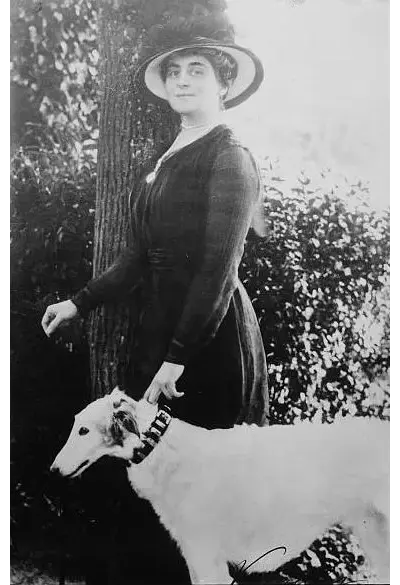
Anne Tracy Morgan was an American philanthropist who provided relief efforts in aid to France during and after World War I and World War II. Morgan was educated privately, traveled frequently and grew up amongst the wealth her father, banker J. P. Morgan, had amassed. She was awarded a medal from the National Institute of Social Science in 1915, the same year she published the story The American Girl. In 1932 she became the first American woman appointed a commander of the French Legion of Honor.
