Gian Carlo Menotti Quotes
Hell begins on the day when God grants us a clear vision of all that we might have achieved, of all the gifts which we have wasted, of all that we might have done which we did not do.
Gruen, John. Menotti: A Biography. Macmillan, 1978, p. 3.


MacArthur was not difficult and unaccepting of higher authority just in the Korean War. He was dissatisfied with American strategy in WWII. He was very unhappy with the decision that placed defeat of Germany and Hitler as a higher priority than his defeat of Japan. He perceived himself as the most qualified and senior American military man and resented the fact that others were making the big strategic decisions and not acceding to his views sufficiently. Also, Dwight Eisenhower had been appointed as Supreme Commander of the European Front which had the highest priority. MacArthur, a man with a huge ego, saw Eisenhower, who had served under MacArthur earlier, as a competent “junior” officer. See {605728} for insight into has view of Eisenhower. While it was certainly true that if given more gasoline, men and armaments, McArthur could have done more and faster, it would have to be taken from the effort to subjugate Germany which would have had to slow down.


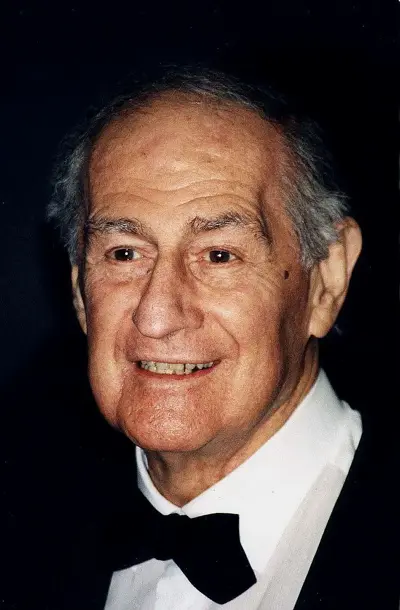
Gian Carlo Menotti was an Italian-American composer, librettist, director, and playwright who is primarily known for his output of 25 operas. Although he often referred to himself as an American composer, he kept his Italian citizenship. One of the most frequently performed opera composers of the 20th century, his most successful works were written in the 1940s and 1950s. Highly influenced by Giacomo Puccini and Modest Mussorgsky, Menotti further developed the verismo tradition of opera in the post-World War II era. Rejecting atonality and the aesthetic of the Second Viennese School, Menotti's music is characterized by expressive lyricism which carefully sets language to natural rhythms in ways that highlight textual meaning and underscore dramatic intent.
