Ludwig Tieck Quotes
He is not dead who departs from life with a high and noble fame; but he is dead, even while living, whose brow is branded with infamy.


This text, generally considered the most important of all the Hindu works is believed to be the guidance given by Lord Krishna, the most important of the God figures, to has friend and devotee Arjuna. It originally was an episode of the enormous Mahabharata, the history of the ancient world written originally in Sanskrit. The date is approximate and different scholars have dated it from 500 BC to 50 BC. The Bhagavad Gita is generally regarded as the most concise description of Hindu philosophy. For Christians this notion is not a general one although it has evolved very strongly outside of religion in some subcultures such as Spain. But for Islam and the Hindu religion this notion is an integral component of the religious philosophy.


There are different versions of this quote attributed to Greeley. Another popular version is: “Fame is a vapor, popularity an accident, riches take wings, those who cheer today will curse tomorrow, only one thing endures—character.” Mark Twain is often attributed to yet another variation of the quote.

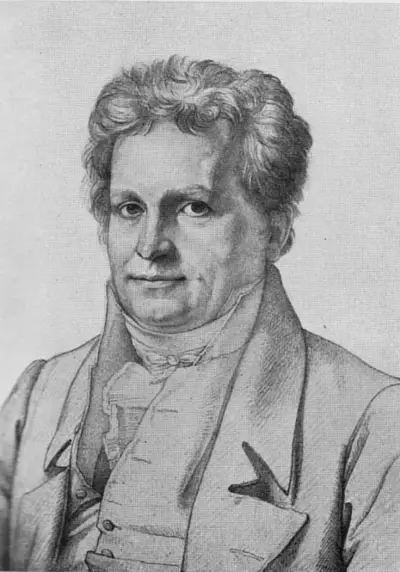
Johann Ludwig Tieck was a German poet, fiction writer, translator, and critic. He was one of the founding fathers of the Romantic movement in the late 18th and early 19th centuries.
