Carl Safina Quotes
From the happy-go-lucky days of oil exploration and drilling, when a lot of easy sources were being found and easily managed, we're gotten ourselves into this sort of apocalyptic time. We're willing to destroy almost everything, risk almost anything, and go ahead with techniques for which we have no way of responding to the known problems.
Safina, Carl. "The oil spill's unseen culprits, victims." TED, Nov. 2010.


This quotation became a slogan of the miners. Lewis did not originate it. It has been referred to as early as 1902 in the bitter coal strike of that year. Generally coal mining strikes have involved more force and military than most labor disputes. While labor representatives maintain that force does not help, mine owners have believed that force is absolutely necessary. See Richard B. Mellon’s testimony to Congress in 1937--{563576}.

His assertion that wind energy is less expensive than the fossil fuel alternative is not accurate if one accounts for the costs on the basis of conventional accounting methods. It was at that time more expensive which is why it’s use was limited. However, the existing methods of accounting did not charge the fossil fuels for the environmental degregation that they cause and the cost to society to overcome these or live with them. More important there is no charge to the cost of fossil fuels for the deleterious health effects that their extraction and use cause. Global warming / climate change is not considered at all in the economic analysis.


His studies showed that at the end of the 10th Century, London was booming. At that time the diet changed rapidly from fresh water fish to salt water fish. The economic boom and growth placed heavy demand on the fresh water fish stock which had become depleted. Londoners then turned to the ocean for their fish. Now the oceans are becoming depleted of fish stocks, and the next step is likely to be large scale fish farming.

There are those who worry that we will run out of oil. However, as Khosla observes, the more immediate danger is the pollution of the planet’s air supply by burning fossil fuels like oil in large volumes.


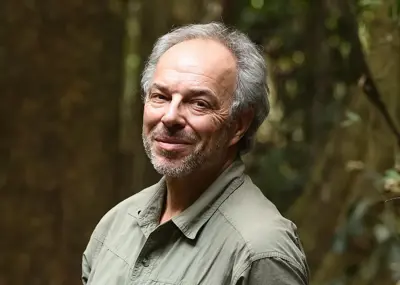
Carl Safina (born 1955) is an ecologist and author of books and other writings about the human relationship with the natural world. His books include Becoming Wild: How Animal Cultures Raise Families, Create Beauty, and Achieve Peace; Beyond Words: What Animals Think and Feel; Song for the Blue Ocean; Eye of the Albatross; The View From Lazy Point: A Natural Year in an Unnatural World; and others. He is the founding president of the Safina Center, and is inaugural holder of the Carl Safina Endowed Chair for Nature and Humanity at Stony Brook University. Safina hosted the PBS series Saving the Ocean with Carl Safina.
