James E. Faust Quotes
For those whose faith has faded, the reasons may be real to them, but these reasons do not change the reality of what Joseph Smith restored.
Faust, James E. "The Restoration of All Things." Ensign, May 2006, p. 68.


Franklin was a deist. He believed in God and the Creation but not the Bible which is often referred to as “revealed” truth. He did believe that classic Christianity was a positive force as some people were led to good works and a moral life by it.

Einstein’s religious views were very sophisticated and unusual. He was a deist—a believer in God. He was of Jewish background and like some Protestant sects, Jews can interpret scripture and the nature of God as individuals. They need not follow a particular doctrine. However Einstein had a very complex vision of God—as he described it, the “God of Spinoza”—a 17th century Rabbi and Philosopher whose views were so radical that his books were banned and he was excommunicated by the Rabbis of Holland, a rarity in Judaism. This view of God is not the human-related form but a view of God as an abstraction everpresent and a prime mover inherent in nature, the world and in humanity.

This is an interesting quotation as it shows that there were opponents of literal interpretation of the Bible in the 17th century, and that they were among the leading men of the day. The argument that the Bible has divine inspiration but was written by men and should not be taken literally, has been made since the Ancient Jews received the Bible.


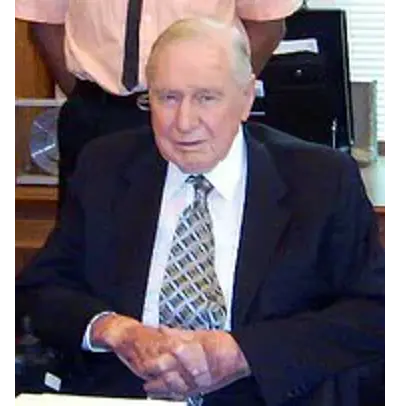
James Esdras Faust was an American religious leader, lawyer, and politician. Faust was Second Counselor in the First Presidency of The Church of Jesus Christ of Latter-day Saints (LDS Church) from 1995 until his death, an LDS Church apostle for 29 years, and a general authority of the church for 35 years.
