Potter Stewart Quotes
For the Fourth Amendment protects people, not places. What a person knowingly exposes to the public, even in his own home or office, is not a subject of Fourth Amendment protection. But what he seeks to preserve as private, even in an area accessible to the public, may be constitutionally protected.
Stewart, Potter. Katz v. United States. 389 U.S. 347. Supreme Court of the United States, 18 Dec. 1967, p. 351.


In 2006, in the midst of the War on Terror, it was revealed that President George W. Bush had approved a electronic surveillance program that was on the surface contrary to the FISA laws prohibiting such government activity. The President claimed that the necessities of the war required such a deviation. A national debate ensued as to whether the President was always required to follow laws as passed or did he have “inherent powers” under the Constitution to do whatever he thought necessary to fight a war.

Like civil rights advocates and protectors of later times, Beale was viciously attacked by the right wing for his “dangerous” tendencies. The church leaders of the time tried to have Beal tried in court for his criticism of established authority, but he had the respect of many and especially Queen Elisabeth I, and other than the constant smears, Beale endured.


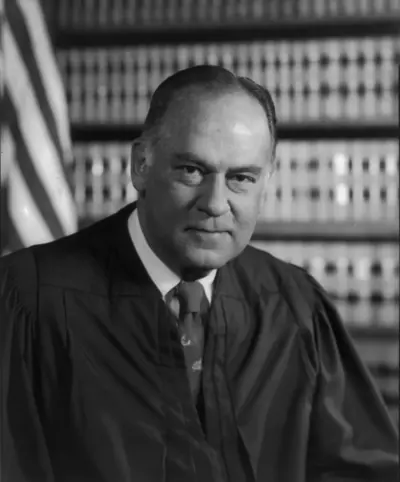
Potter Stewart was an American lawyer and judge who served as an Associate Justice of the United States Supreme Court from 1958 to 1981. During his tenure, he made, among other areas, major contributions to criminal justice reform, civil rights, access to the courts, and Fourth Amendment jurisprudence.
