Fidel Castro Quotes
Experience acquired in the heroic battle against Batista's tyranny showed that the enemy, no matter what his strength, could not defeat the Cuban people.
Castro, Fidel. Second Declaration of Havana. 4 Feb. 1962.


In April of 1962, President Kennedy convened a meeting of top advisors at the State Department to discuss the proposed CIA plan for the invasion of Cuba at the Bay of Pigs. The senator was the lone dissenter from the plan:


There was an attempt by some Libyans to attack a Libyan student at an American University who was an outspoken critic of the Qaddafi regime.


This historic speech is regarded as one of the most important in Australia's history, marking a turning point in Australia's relationship with its founding country, the United Kingdom. Many felt that Prime Minister Curtin was abandoning Australia's traditional ties to the British Isles. -- Wikipedia


Rival to Mao. This quotation is historically important because it shows how intensively the Chinese Communists concentrated on organizing the fringe and unpopular groups of society to the point where the struggle was between Chiang Kai-shek’s Nationalists and everybody else. The Chinese Communist coalition included many who had not idea of what communism was but knew that Chiang Kai-shek and the Nationalists were not very good for them or the people they knew.

This advice made Kennedy more amenable to the Central Intelligence Agency plan and recommendation later for the Bay of Pigs operation in Cuba. Eisenhower was not endorsing the Cia plan for the Bay of Pigs—just opining on the desirability of overthrowing the Castro government.

Durruti’s and other Republican columns were advancing on Saragossa on the Aragon front to free it from the Fascists. Durruti’s army was made up of idealist libertarians and anarchists who also didn’t much like straight communists because they would restrict individual freedom. The regular communist army was more conservative and wanted to coordinate and attack and wait for planning and more coordination between the columns. The libertarians pushed ahead with the others following and they took Saragossa


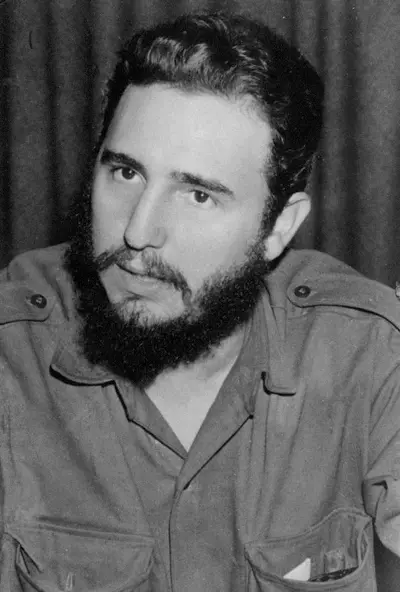
Fidel Alejandro Castro Ruz better known internationally as Fidel Castro, was a Cuban revolutionary and politician who served as Prime Minister of Cuba from 1959 to 1976 and President from 1976 to 2008. Ideologically a Marxist–Leninist and Cuban nationalist, he also served as the First Secretary of the Communist Party of Cuba from 1961 until 2011. Under his administration, Cuba became a one-party communist state; industry and business were nationalized, and state socialist reforms were implemented throughout society.
