Norman Borlaug Quotes
Even if you could use all the organic material that you have--the animal manures, the human waste, the plant residues--and get them back on the soil, you couldn't feed more than 4 billion people. In addition, if all agriculture were organic, you would have to increase cropland area dramatically, spreading out into marginal areas and cutting down millions of acres of forests.
Bailey, Ronald. "Billions Served: Norman Borlaug Interviewed by Ronald Bailey." Reason, vol. 31, no. 11, Apr. 2000, pp. 30-37.


While this was somewhat hyperbolic at the time, it became true during the century.

From a technical and production point of view, there is no practical limit to population size that is imposed by food production. We can produce sufficient food for the world even if population increases dramatically. None the less, even today we have some starvation and much malnutrition problems. These however are political, economic and tend to be distributional. We can produce the food. Morris does NOT advocate large population growth. Although food need not be a problem with an expanding population, job availability, medical care, energy, land, natural resources, ethnic hatred, migration, violence, and other problems are produced by population growth.

Environmentalists counter with the fact that the corporate and government interests in growth at any cost will, and have in the past, found a loophole in every reasonable compromise that has been made. Reasonableness is only a device they use to slow regulation until they can either figure out a loophole or use their great fiscal resources to shape public thinking to soften or eliminate the regulation. Therefore some environments argue that they must be as ideological about the environment as the corporations are about their rights to profit and not compromise even when a compromise appears reasonable. Besides, if the corporations always appear to win, the public will think opposing them is futile. So when they can be beaten on something that is unreasonable, they appear weaker and encourage more environmental public activism.


Often referred to as “Father of the Green Revolution” for his contributions to food growing throughout the world

The Depression had 25% unemployment and many people lacked even food to eat. Meanwhile, there was a huge amount of unused, idle land in California.
This was the origin of the term “Green Revolution”


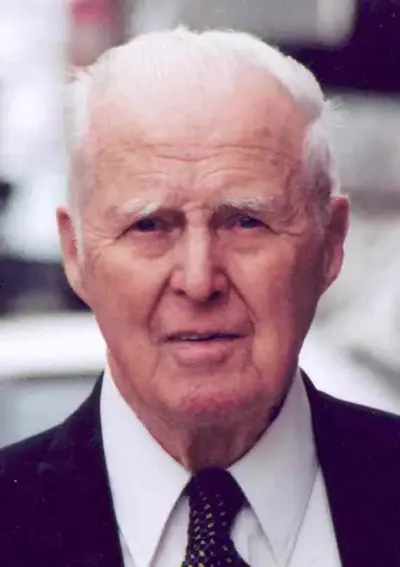
Norman Ernest Borlaug was an American agronomist who led initiatives worldwide that contributed to the extensive increases in agricultural production termed the Green Revolution. Borlaug was awarded multiple honors for his work, including the Nobel Peace Prize, the Presidential Medal of Freedom and the Congressional Gold Medal.
