Larry Niven Quotes
Ethics change with technology.
Niven, Larry. "Niven's Laws." N-Space, Tor Books, 1990.


The nation was in the midst of a long debate over whether or not new bio-technology was appropriate and desirable for use and there were various efforts to legally curtail their application. These included cloning, stem cell research, radiated foods, fish farming, hydroponic agriculture, hybrid development and cross species organ replacement.

There is an opposite school of thought which argues that because technology develops so fast, by the time you legislate about it of you understand it, it is too late to prevent major problems and abuses which can become institutionalized. Instead it is argued, legislate rapidly BEFORE you understand all the consequences and then repeal and revise very frequently as the technology develops. This school argues that Schmidt’s view is tantamount to not legislating at all as it will ALWAYS be too late if you wait till you understand the consequences.


Born was a refugee who escaped to England from Nazi Germany.


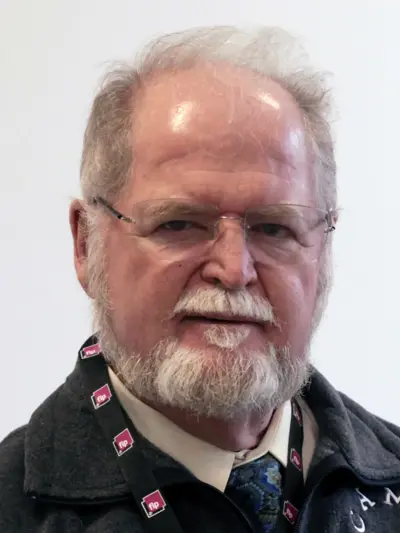
Laurence van Cott Niven is an American science fiction writer. His best-known works are Ringworld (1970), which received Hugo, Locus, Ditmar, and Nebula awards, and, with Jerry Pournelle, The Mote in God's Eye (1974) and Lucifer's Hammer (1977). The Science Fiction and Fantasy Writers of America named him the 2015 recipient of the Damon Knight Memorial Grand Master Award. His work is primarily hard science fiction, using big science concepts and theoretical physics. It also often includes elements of detective fiction and adventure stories. His fantasy includes the series The Magic Goes Away, rational fantasy dealing with magic as a non-renewable resource.
