Horatio Nelson Quotes
Desperate affairs require desperate measures.
Nicolas, Sir Nicholas Harris. The Dispatches and Letters of Vice Admiral Lord Viscount Nelson, Vol. 3. Henry Colburn, 1845.


The problem of African Poverty as revealed by the media has had a strong emotional effect on many, especially the images of sick and undernourished children. This quotation and {583200} are good examples of sophisticated observers calling for anything to be done even though there was doubt that it would actually help reduce the problem. Specific efforts to reduce poverty in third world nations have been unfortunately not very successful. Many have called for continual and even greatly increased efforts despite the fact that success was doubtful. A few critics objected to the waste of resources and called for radical new approaches to foreign aid.

The notion had been expressed long before by Hippocrates, but in a medical sense.


In politics the perception of success is in man ways more important than the reality. If a political campaign seems to be faltering, campaign contributions dry up, volunteers abandon their efforts, and the press diminishes coverage.

The original plan was to kidnap Lincoln from Ford’s Theater and hold him as ransom for Confederate Prisoners of War. However, other conspirators thought it would be difficult to spirit the President out of the theater. Actually, after Booth attended a Lincoln speech, he changed his mind and changed the objective to assassination. See {623953}.


The sectional and special interests and their money made that very difficult for most politicians to do.

Although Great Britain had abolished slavery, British economic interests during the Civil War suffered because of the Northern blockade of the South. Much political opinion in England was hostile to the blockade policies of the Union. Bright, a great admirer and supporter of the United Sates and the Union cause was concerned that the United States might drift into War with Great Britain. His letter to Senator Sumner was written with the understanding that it would be in shared with President Lincoln, and it was actually read at a cabinet meeting.


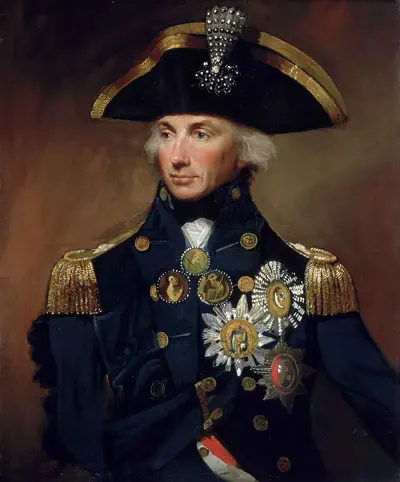
Vice-Admiral Horatio Nelson, 1st Viscount Nelson, 1st Duke of Bronté, KB, also known simply as Admiral Nelson, was an English flag officer in the Royal Navy. His inspirational leadership, grasp of strategy, and unconventional tactics brought about a number of decisive British naval victories, particularly during the Napoleonic Wars. He was wounded in combat, losing sight in one eye in Corsica at the age of 35, and most of one arm in the unsuccessful attempt to conquer Santa Cruz de Tenerife when he was 38. He was fatally shot at the Battle of Trafalgar in 1805.
