John Ford Quotes
Delay in vengeance delivers a heavier blow.
Ford, John. The Works of John Ford. Vol. 1, James Toovey, 1869, p. 315.


This proverb only makes sense in the light of understanding the Arab concept of revenge—“blood.” In a rural desert environment where little can be expected of government, the Arabs have developed a law enforcement and peace keeping mechanism which while primitive from modern standards, nevertheless worked to some degree. It is that revenge—“blood” is a moral necessity and obligation of all people, and revenge is not limited by time or to the individuals involved in the first incidence. The immediate family are the first to exact revenge, but the extended family follows and often the entire clan. Sometimes revenge is tribal or even national. Anyone who fails to revenge a member in his group is not only a disgrace, but is a clear and present danger to the group because then they can be attacked with impunity. So revenge is a strong obligation of the group members and blood must be paid with blood no matter how many generations it may take. The only thing that keeps me and my family safe, is the surety what whosoever kills one of us will themselves be killed or if they die a natural death we will take revenge on one of the evildoers relatives and no one is exempt. Crime must never pay!


While some of the Serbian holidays commemorate loss of battles, the idea of a specific Day of Revenge is new.


See {639177}.for part of the article. Platt even demanded of President Roosevelt that the Journalist, White, be barred from the White House. Actually White was a very good friend of Roosevelt’s and generally agreed with White’s assessment of Platt.
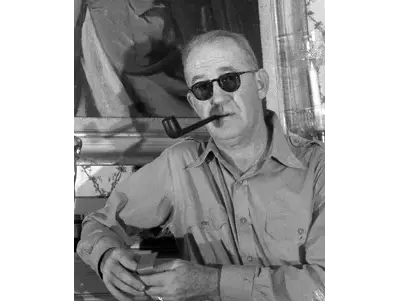
John Martin Feeney, known professionally as John Ford, was an American film director and naval officer. He is renowned both for Westerns such as Stagecoach (1939), The Searchers (1956), and The Man Who Shot Liberty Valance (1962), as well as adaptations of classic 20th century American novels such as The Grapes of Wrath (1940). He was the recipient of five Academy Awards including a record four wins for Best Director.
