Henry A. Kissinger Quotes
Convention delegates live the compressed existence of butterflies. For a brief period they are admired, wooed, pressured, flattered, cajoled, endlessly pursued. The day after they have chosen, they return to oblivion.
Henry A. Kissinger, U.S. Secretary of State (Republican), U.S. National Security Advisor, Memoirs
Sourced by: Eigen's Political and Historical Quotations


Republican Party primary elections had become very contentious. The radical right and the Tea Party, though a minority of the party, had the power to destroy almost any Republican candidate’s chances. So those Republican political candidates were forced to pander to the extreme right and then try and backtrack to the center for the general election. As a result, few people believed the statements of Republican office seekers as no one knew what they really believed including members of their own party, Bush, no longer running for any political position, found himself with much more credibility and influence in the party than those who were running for office. The problem of appealing to party extremes was not unique to the Republicans at that time, but the degree and extent was unprecedented accounting for the distrust.


This memo was sent before he was nominated as a Supreme Court Justice. The Senate did not know of this memo at the time he was ratified otherwise he might not have been. Powell saw every serious critic of the American Economy or the existing government policies as “attacking” the American Free Enterprise System. Surprisingly, he thought that business executives were rather helpless when it came to supporting the status quo.
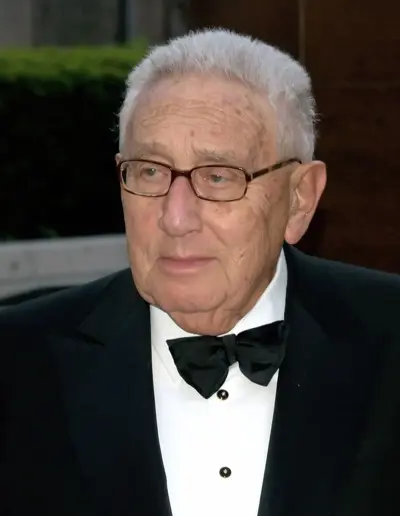
Henry Alfred Kissinger KCMG is an American politician, diplomat, and geopolitical consultant who served as United States Secretary of State and National Security Advisor under the presidential administrations of Richard Nixon and Gerald Ford. A Jewish refugee who fled Nazi Germany with his family in 1938, he became National Security Advisor in 1969 and U.S. Secretary of State in 1973. For his actions negotiating a ceasefire in Vietnam, Kissinger received the 1973 Nobel Peace Prize under controversial circumstances, with two members of the committee resigning in protest.
