George Eliot Quotes
Consequences are unpitying. Our deeds carry their terrible consequences, quite apart from any fluctuations that went before—consequences that are hardly ever confined to ourselves. And it is best to fix our minds on that certainty, instead of considering what may be the elements of excuse for us.
Eliot, George. Adam Bede. William Blackwood and Sons, 1859.


There were many citizens who were very dubious about Dutero. In addition to his wildly flamboyant oratory, he advocated the exta judicial killing o suspected drug dealers, and as a mayor had actually personally murdered a few as an example for the police who were at first reluctant.


Mehmet Talaat Pasha was one of the national leaders who adopted the policy of extermination of the Armenians. The Christian Armenians, a minority in Turkey and its lands, were discriminated against like other non-Muslim minorities in the Ottoman Empire. But during the Turkish War with Russia, some Armenians defected and served on the Russian side. Many Turkish citizens took revenge on Armenians by means of murder and torture. Soon, the extermination of the Armenians became the official “Young Turk” government policy.


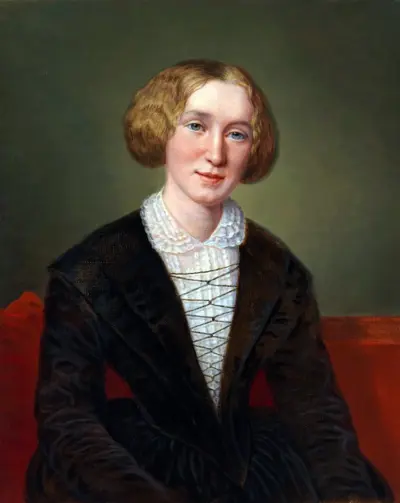
Mary Ann Evans, known by her pen name George Eliot, was an English novelist, poet, journalist, translator and one of the leading writers of the Victorian era. She wrote seven novels, Adam Bede (1859), The Mill on the Floss (1860), Silas Marner (1861), Romola (1862–63), Felix Holt, the Radical (1866), Middlemarch (1871–72) and Daniel Deronda (1876). Like Charles Dickens and Thomas Hardy, she emerged from provincial England and most of her works are set there. They are known for their realism, psychological insight, sense of place and detailed depiction of the countryside.
